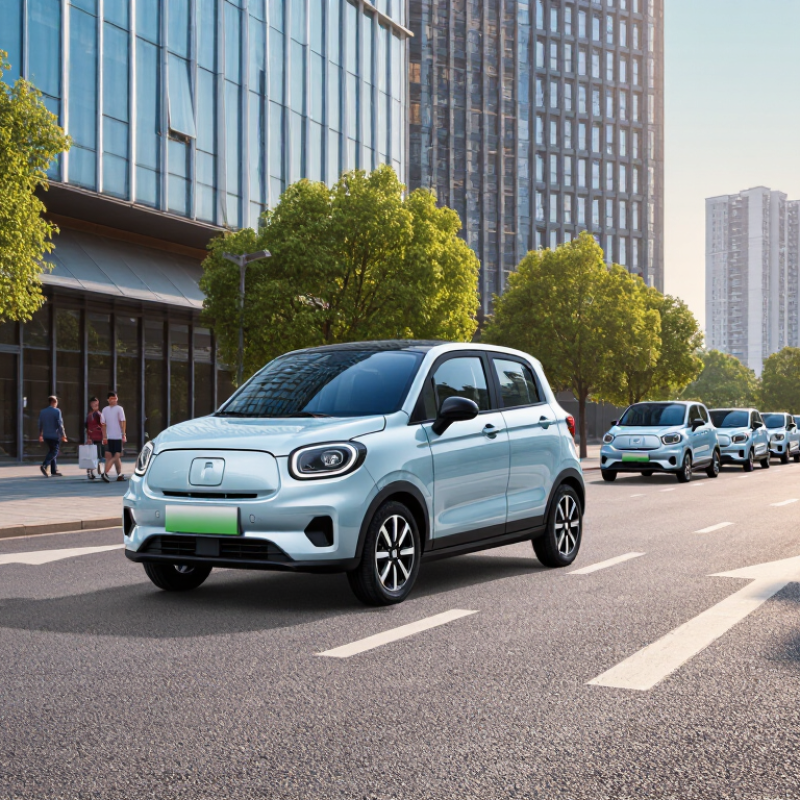
Choosing the best Scenic City Cars for 2026 requires more than admiring compact dimensions or attractive styling. Urban buyers need easy parking, quiet cabins, dependable safety systems, and efficient performance in stop-and-go traffic. The International Energy Agency reported that global electric car sales exceeded 14 million in 2023 and projected nearly 17 million for 2024. That momentum changes what a practical city car should deliver. Charging access, battery warranty terms, and real-world winter range now matter beside fuel economy.
Traffic makes the decision more personal. TomTom’s Traffic Index shows that drivers in many major cities lose dozens of hours annually in congestion. A narrow turning circle can matter more than dramatic acceleration. A clear rear camera matters more than oversized screens. Euro NCAP testing also reminds buyers that safety ratings are regional and periodically updated, so an impressive badge should not replace checking the exact model year. We compare visibility, pedestrian protection, cabin flexibility, operating costs, and local service support across global markets.
These recommendations are evidence-led, but no ranking fits every street. A small electric car may excel in central Paris yet struggle beside limited charging in a remote suburb. A hybrid can offer reassurance, although its higher purchase price may weaken its value. Our research uses manufacturer specifications, independent safety assessments, and recognized industry reports, while acknowledging gaps in available data. Real ownership still reveals surprises. That is why this guide treats Scenic City Cars as practical tools, not showroom trophies. The strongest choice is the one that feels calm beside a crowded curb, remains affordable over time, and protects passengers when city traffic suddenly changes.
A scenic city car is not simply a small vehicle with attractive windows. It should make urban movement feel clear, calm, and connected to its surroundings. For global buyers, the definition begins with visibility. Large glass areas, slim pillars, and well-placed mirrors help drivers read narrow streets, cyclists, and changing traffic. Yet more glass can increase heat and glare in sunny climates. That trade-off matters. Practical design must balance open views with effective climate control and privacy. From test-driving vehicles in crowded districts, I find seating height equally important.
A strong city car should turn easily, brake predictably, and fit common parking spaces. Useful driver assistance can reduce stress, but it should not replace attention. Clear controls matter more than an impressive screen. Buyers should check visibility at night, charging or refueling access, rear-seat space, and repair support. Road quality, weather, and driving customs vary widely. One setup rarely suits every country. Independent safety ratings and local efficiency data offer more reliable guidance than promotional promises.
Scenic appeal also includes the passenger experience. A quiet cabin, supportive seats, and a wide view can make a ten-minute trip feel less cramped. Small exterior dimensions may hide compromises, especially with luggage or three adults. I have seen buyers focus on panoramic visibility, then regret limited cargo space. That mistake is easy to make. Global value depends on energy use, insurance, service availability, durability, and resale demand. Sometimes the less glamorous choice is wiser. Before buying, compare real routes, not showroom impressions. Drive narrow lanes, climb local hills, and test parking with passengers inside.
Urban exploration needs more than a small footprint. A comfortable city car should offer supportive seats, soft suspension, and low cabin noise. Large side windows and a raised seating position improve views of cyclists, curbs, and storefronts. The World Health Organization reports about 1.19 million annual road deaths globally, so clear sightlines and dependable driver assistance matter. I prefer simple controls, too. Touchscreens can look modern, but they sometimes distract during tight turns.
The 2024 INRIX Global Traffic Scorecard shows congestion remains a serious time cost in major cities. A tight turning circle, light steering, and parking sensors can reduce daily stress. For scenic routes, a wide windscreen and slim front pillars reveal more streetscape. The International Energy Agency recorded almost 14 million electric car sales in 2023, showing growing interest in quiet, efficient urban travel. Still, charging access differs sharply between countries. Range claims should be checked against local weather and traffic.
Tips: Sit in the rear seat before buying. Check knee room, door opening, and window height. Test visibility at dusk, not only in bright daylight. Pack a small suitcase and a camera bag. No layout is perfect. I have found that a firm seat may feel supportive briefly, then tiring after an hour. Verify warranty coverage, charging standards, and safety equipment for your market.
Microcars suit historic centers, coastal lanes, and short daily errands. Their narrow bodies slip through crowded streets and simplify parking beside old stone buildings. Many offer tight turning circles, useful near markets and hillside neighborhoods. The International Energy Agency reported over 17 million electric car sales worldwide in 2024. That growth supports more small electric models, especially where charging access is improving. Yet a tiny cabin can feel tiring on longer scenic drives.
Compact hatchbacks fit buyers who mix urban exploring with weekend travel. They usually provide better luggage space, stronger highway stability, and easier rear-seat access. The TomTom Traffic Index 2024 studied congestion across hundreds of cities and showed how stop-start traffic remains a major urban cost. Smaller vehicles reduce parking stress, but not every compact car feels efficient in heavy traffic. A test drive on steep streets matters more than a brochure figure.
Small crossovers work well for uneven roads, rural viewpoints, and families carrying cameras or folding bicycles. Their higher seating position improves visibility near busy junctions. However, extra height can increase energy use and reduce rooftop stability in strong coastal winds. The European Environment Agency notes that real-world vehicle emissions can differ from laboratory results. I would check cold-weather range, charging reliability, and local repair coverage before buying. Reports provide direction, not certainty. Scenic routes expose weaknesses quickly.
For global buyers, the best scenic city car must handle beauty and pressure equally well. Narrow streets, sudden rain, steep parking ramps, and crowded crossings test more than styling. Safety now shapes the first serious comparison. A strong city car should offer clear visibility, reliable braking, stable cornering, and well-calibrated driver assistance. Cameras help, but they cannot replace attention. No system is perfect.
Efficiency matters in daily traffic, not only in laboratory figures. A practical evaluation should include short trips, cold starts, hills, air-conditioning, and frequent stops. A compact power system can reduce fuel or energy use, while regenerative braking makes slow traffic less wasteful. Yet efficiency figures may disappoint in real weather. That gap deserves honest discussion.
Buyers should check local charging access, service support, and energy costs before choosing a powertrain.
Technology should reduce mental effort, not create another task. A responsive navigation screen, physical controls, phone compatibility, and simple parking sensors can make unfamiliar streets less stressful. Overly complex menus are impressive during a showroom visit, then frustrating beside a wet curb.
I would also inspect rear-seat access, luggage space, lighting, and seat comfort after one hour of driving. Small details become important on scenic roads, where drivers may pause often and carry cameras, groceries, or children. Independent safety results, transparent warranty terms, and long-term reliability records add confidence across different markets.
Choosing a scenic city car for global travel requires more than attractive design. Regional conditions shape comfort, safety, and daily practicality.
In narrow historic districts, a short turning circle matters more than strong acceleration. In hot regions, reliable cooling and shaded cabin materials can prevent tiring journeys. Cold climates demand effective heating, stable battery performance, and clear visibility after overnight parking. Coastal cities add salt air, while mountain towns test braking, traction, and climbing ability. Local service coverage also matters. A clever car becomes frustrating when basic maintenance requires a long trip.
Tips
Check the smallest streets near your home. Measure your parking space, not just the vehicle’s length. Compare real local energy or fuel costs. Ask service centers about common parts and repair times. Test the seats with your usual passengers. A beautiful glass roof may feel wonderful in mild weather, but excessive heat can change that quickly.
Driving conditions can vary within one city. Smooth roads downtown may become uneven outside the center. Some buyers focus too heavily on technology and overlook tire availability or cargo space. I have made that mistake during short urban trips. No checklist is perfect. Leave room for local habits, seasonal weather, and an honest trial drive. A scenic city car should fit the place you actually drive, not an imagined lifestyle.
The table compares practical city-car requirements by region. Speed limits, parking rules, charging access, road widths, and vehicle regulations vary by city, so buyers should confirm local requirements before purchase.
| Region | Driving Side | Urban Road Environment | Typical Climate Considerations | Parking and Street Constraints | Best-Fit City-Car Profile | Recommended Practical Specifications | Key Buyer Priorities |
|---|---|---|---|---|---|---|---|
| Western Europe | Mostly right-hand traffic; the United Kingdom and Ireland use left-hand traffic. | Historic districts, traffic-calmed streets, narrow lanes, pedestrian zones, and frequent low-emission areas. | Moderate temperatures with regular rain; some northern areas experience snow and reduced winter daylight. | Limited curb space, compact parking bays, underground garages, and frequent permit-based parking. | Short hatchback or small crossover with excellent visibility. | Overall length around 3.6–4.2 m; turning circle preferably below 10.5 m; strong parking sensors; efficient heating and demisting. | Low-emission compliance, maneuverability, pedestrian protection, low running costs, and access to public charging. |
| Southern Europe and Mediterranean Cities | Right-hand traffic. | Dense historic centers, steep streets in some cities, uneven paving, scooters, and narrow urban intersections. | Hot summers, strong sunlight, seasonal rain, and occasional heat waves. | Very tight street parking, irregular curb geometry, and limited shade in open parking areas. | Small hatchback with a compact footprint, good air conditioning, and hill-start assistance. | Overall length around 3.6–4.1 m; high-efficiency cooling; durable tires; rear camera or proximity sensors; good low-speed visibility. | Cabin cooling, heat-resistant interior materials, ground clearance for uneven roads, and easy low-speed maneuvering. |
| North America | Right-hand traffic. | Wider roads, larger intersections, multilane corridors, suburban travel, and longer distances between destinations. | Large climate range, including severe winter cold, heavy rain, hurricanes in some coastal areas, and hot summers. | Parking spaces are generally larger, but city-center garages may have narrow ramps and limited compact spaces. | Small hatchback or compact crossover with comfortable highway manners. | Overall length around 3.9–4.5 m; strong climate control; highway-stable suspension; advanced driver assistance; adequate luggage space. | Long-distance comfort, crash-test performance, winter capability where required, and service access. |
| Japan and South Korea | Japan uses left-hand traffic; South Korea uses right-hand traffic. | Highly organized but dense urban streets, frequent alleys, elevated roads, steep local streets, and strict parking controls. | Humid summers, heavy rain, seasonal snow in northern areas, and typhoon exposure in some locations. | Small parking spaces, limited curb parking, mechanical parking systems, and narrow residential lanes. | Very compact hatchback or tall mini-vehicle with a small turning radius. | Overall length around 3.4–4.1 m; turning circle preferably below 10 m; narrow body; excellent cameras; compact parking dimensions. | Exterior width, visibility, parking compatibility, corrosion protection, and reliable climate control. |
| China and Major East Asian Metropolises | Right-hand traffic in mainland China; local rules should be checked in each market. | Very dense traffic, broad arterial roads, controlled-access areas, mixed traffic, and rapidly expanding restricted zones. | Climate varies from cold northern winters to hot, humid southern summers; air-quality conditions may influence cabin use. | Large parking structures are common, but central districts can have strict parking controls and limited street access. | Compact hatchback or compact electric vehicle with strong digital parking assistance. | Overall length around 3.8–4.4 m; efficient air filtration; strong thermal management; rear camera; reliable navigation and connectivity. | Local registration rules, charging availability, cabin filtration, software compatibility, and after-sales support. |
| Southeast Asia | Traffic side varies by country; both left-hand and right-hand systems are used. | Congested streets, motorcycles, informal stopping, narrow lanes, frequent road works, and heavy mixed traffic. | Hot and humid conditions, intense rainfall, flooding risk in some cities, and strong ultraviolet exposure. | Limited formal parking, crowded curb space, tight commercial areas, and occasional unpaved access roads. | Small hatchback or compact crossover with good air conditioning and moderate ground clearance. | Overall length around 3.7–4.3 m; strong cooling; water-resistant electrical protection; durable suspension; parking sensors. | Flood tolerance, cooling performance, maneuverability, visibility around motorcycles, and easy maintenance. |
| India and South Asia | India, Pakistan, Bangladesh, and Sri Lanka generally use left-hand traffic; local rules vary by country. | Highly mixed traffic, pedestrians, bicycles, motorcycles, uneven surfaces, narrow lanes, and variable traffic discipline. | Hot seasons, monsoon rainfall, humidity, dust, and regional flooding risks. | Street parking is often limited; access roads may be narrow; curbside activity can reduce usable road width. | Compact hatchback or small crossover with durable suspension and strong outward visibility. | Overall length around 3.6–4.2 m; practical ground clearance; robust air conditioning; easy-to-clean interior; rear sensors. | Low-speed control, structural safety, suspension durability, fuel or charging practicality, and affordable maintenance. |
| Middle East | Right-hand traffic. | Wide arterial roads, high-speed connectors, dense commercial districts, and occasional narrow historic quarters. | Very high summer temperatures, intense sunlight, dust, and occasional heavy rain or flash flooding. | Parking may be spacious in newer districts but constrained in older commercial areas; shaded parking is valuable. | Compact hatchback or small crossover with powerful cooling and heat-resistant components. | Overall length around 3.9–4.5 m; high-capacity air conditioning; effective cabin filtration; sun protection; reliable cooling system. | Thermal durability, air-conditioning performance, tire heat resistance, dust management, and highway stability. |
| Africa | Traffic side varies by country; both left-hand and right-hand systems are used. | Conditions range from dense urban congestion to unpaved edges, speed humps, informal stopping, and inconsistent road surfaces. | Climate ranges from humid tropical conditions to dry heat, dust, seasonal storms, and cooler highland areas. | Parking quality varies significantly; some cities have limited marked spaces and uneven access roads. | Compact crossover or durable hatchback with practical clearance and simple controls. | Overall length around 3.8–4.4 m; moderate ground clearance; underbody protection; robust tires; effective cooling and dust filtration. | Road durability, serviceability, fuel or charging availability, cabin cooling, and resistance to dust and water exposure. |
| Australia and New Zealand | Left-hand traffic. | Generally well-marked roads, wide suburban streets, long intercity connections, and compact central districts in major cities. | Australia includes extreme heat and ultraviolet exposure; New Zealand has frequent rain, wind, and cooler conditions. | Parking is usually more available outside central districts, while city centers may have paid parking and narrow structures. | Small hatchback or compact crossover suitable for both urban use and occasional longer trips. | Overall length around 3.9–4.5 m; strong air conditioning; stable highway handling; useful cargo flexibility; good visibility. | Heat protection, highway comfort, safety ratings, service coverage, and versatility beyond the city center. |
| Latin America | Right-hand traffic in most countries; local exceptions and regulations should be confirmed. | Dense urban corridors, steep streets in some cities, speed humps, mixed road quality, and heavy peak-hour congestion. | Conditions range from tropical humidity to high-altitude cold, strong sun, and seasonal heavy rainfall. | Central parking can be scarce; residential streets may be narrow; controlled garages are common in larger cities. | Compact hatchback or small crossover with durable suspension and strong low-speed visibility. | Overall length around 3.8–4.4 m; practical ground clearance; hill-start assistance; robust tires; efficient climate control. | Security equipment, road durability, fuel economy, service availability, parking ease, and performance on slopes. |
| Nordic Countries | Right-hand traffic. | Well-maintained roads, traffic-calmed neighborhoods, strict parking control, cycle lanes, and seasonal road maintenance. | Cold winters, snow, ice, reduced daylight, wet conditions, and frequent freeze-thaw cycles. | Parking spaces may be limited in historic centers; winter snow can reduce effective road and parking width. | Compact hatchback with winter-ready traction, heated equipment, and strong visibility. | Overall length around 3.8–4.3 m; heated seats and mirrors; effective defrosting; winter tires; traction control; corrosion protection. | Cold-start reliability, winter braking, battery performance, rust protection, and efficient cabin heating. |
| Central and Eastern Europe | Right-hand traffic. | Historic city centers, tram corridors, uneven surfaces in some areas, traffic-calmed streets, and seasonal road repairs. | Warm summers, cold winters, snow, ice, and significant seasonal temperature changes. | Older garages and curbside spaces can be narrow; winter snow may make tight parking more difficult. | Compact hatchback with balanced ride comfort and winter capability. | Overall length around 3.7–4.3 m; winter tires; strong defrosting; parking sensors; robust suspension; corrosion protection. | Winter safety, ride quality, maneuverability, maintenance cost, and compliance with urban emissions zones. |

Note: Vehicle dimensions are practical planning ranges rather than legal limits. Actual suitability depends on the specific city, parking facility, road regulations, climate, and availability of charging or fueling infrastructure.


For those larger-sized parts, or smaller quantity runs, we have 2 independent powder coat booths and ovens. The quality, durability and affordability of today’s powder coating finishes make this the process of choice for world-class companies.
Powder coating advantages over other forms of coating are many. Materials used in the Powder coating process can be metals and non-metals that come in a multitude of thicknesses, textures, colors, etc. Another of Powder coating’s biggest advantages over conventional coatings is its ability to create finishes in many different textures. Powder Coating Booths allow us the ability to apply these advantages to large products.
Tri-State Fabricators runs a full-service conveyor line for painting. Wet painting can provide protection or decoration to many different part styles. From start to finish, every project is easier to undergo random and point-based inspection by our skilled painting team.
Advantages to our Wet Paint Line are these lines start with product prep and ends with a thorough inspection of a high quality finished product. Our ability to complete large and small projects with a superior finish and doing so in a timely and economical fashion. This passes along the savings in production to our customers. When powder coating ins not an option, our Wet Paint Line gets the job done right the first time.
When the parts get big and heavy we roll-out our custom paint racks and oversize booth. By utilizing our partnerships with all the major paint brands, we can match virtually any color with wet paint.
The advantages of having access to a Wet Paint Booth are many. Large projects of many different shapes can be loaded into the booth. The Wet Paint Booth offers an environment that is much more controlled than a typical parts painting operation.
Not only are they used because of their controlled environment, but they’re are also advantageous when it comes to applying paint to parts that are needed in industries that require specialty coatings such as medical, aerospace, etc.
Our military forces have some very high standards when it comes to the finish of their vehicles and equipment. From the first pre-treatment step to final coat, it takes a great deal of knowledge and experience to protect the men and women of our armed forces. They deserve only the best, and Tri-State Fabricators provides it.
All of our processes are closely monitored by our staff and management teams. Both of which are highly trained in the processes of metal fabrication and finishing. Tri-State Fabricators’ goal is to always fully satisfy each and every customer, including the military. We will always put a 110% into what we do.
Abrasive media blasting is an excellent way to remove old paint, rust, and increase the paint/powder adhesion. Glass beads produce a much smoother and brighter finish than angular abrasives; leaving the part clean yet without any dimensional change. Chemically inert and environmentally friendly, we can recycle our beads approximately 30 times; making them a more preferred method of metal cleaning or surface finishing.
Advantages to Glass Bead Blasting are many. Glass bead blast media is used when a project is needing rough surfaces need to become smooth for applications of coatings such as paint. It is typically used to clean paint and rust from a product surface without deforming the surface it is being used on. Overall, compared to many other blasting media, Glass Bead Blasting is a very economical choice and those savings are always passed on to our customers.
Tri-State Fabricators utilize a zinc phosphate wash to clean and etch the material to ensure the best paint adhesion possible. The unique design of our 3-stage wash system does the work like a 5-stage. From Cleaning and rinsing to conversion coating and post-treatment, Our Part Washing process is a complete service and works throughout the fabrication service and the finishing service.
Along with the previously mentioned benefits, Curing is a vital chemical reaction that leaves the product finish hard and relatively safe from mild abrasion and aggressive corrosion. This process can be done in more than one way; ambient air-dry or in curing ovens at temps that exceed 240°.
From fixing paint mistakes (someone else’s of course) to simply cleaning our paint line hooks, our burn-off oven is put to good use. After a quick burn-off, a little clean up, and a fresh coat of paint, your parts will look better than new.
Why does our Burn-Off Oven work so well? Because super heating the air around parts turns the materials into ashes. From paint and powder coatings to rubber and machining oils, high temps do the job without degrading the integrity of the part.
Masking is a vital part of producing high quality products. We have die-cut masking patterns to protect machined surfaces as well as a wide range of plugs and caps to protect threaded holes and bolts. We provide permanent and temporary masking.
Masking allows the selected sections of a product to be protected from a fabrication or finishing service. This can be with both chemicals when etching and tapes, paints when only finishing just a section of the product. Masking is great in aiding the customization process of a project.
Screen printing is a photographic process that transfers artwork onto a porous nylon screen which allows colored ink to flow through the screen and be deposited on an aluminum or plastic component. We can generally have just about any design created onto a screen for your parts.
Some of the advantages of Screen Printing are, brand recognition for your business displaying on your products, assembly instructions, product warnings/hazards, etc. Tri-State Fabricators produces Screen Printing of the highest quality so you know it’s durable.
Metal Finishing is the art of treating the exterior portion of product, often metal but can also be made of other materials, so that the surface is clean and free of any debris. Then the process of applying coats or either paint of powder coat takes place. This coating process improves the quality of the product in both appearance and resistance to wear and corrosion.
Tri-State Fabricators, Inc., understands that a project typically isn’t complete until a high-quality finish has been added to your product. This is why our painting and powder coating teams continuously inspect the products throughout the Metal Finishing process.