2026 Best Road Grader Buying Guide for Global Buyers?
When investing in construction equipment, selecting the right Road Grader is crucial. A suitable Road Grader enhances productivity and ensures efficient grading of roads, land, and surfaces. With numerous models available globally, buyers face challenges in decision-making.
This guide aims to simplify your purchase journey. We explore essential features, performance metrics, and crucial specifications. Understanding your unique requirements will lead to better choices. An informed decision can save time and resources.
While we provide expert advice, recall that preferences vary by project. Mistakes in choice can be costly. Reflect on your operational needs and budget constraints before finalizing a purchase. A thoughtful approach will maximize your investment and ensure optimal results.
Understanding Road Graders: Key Features and Functions
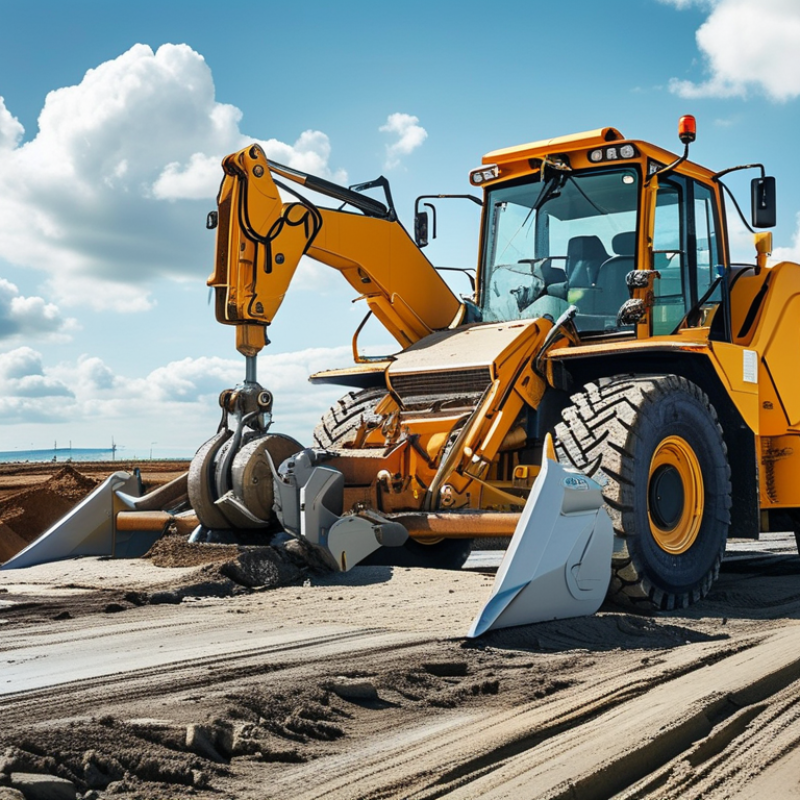
Road graders are essential for creating and maintaining smooth surfaces in construction projects. A deeper understanding of their key features can greatly impact your purchasing decision. A road grader typically includes a sharp blade, an adjustable frame, and powerful wheels that allow for effective grading. The ability to control the blade's angle and height is crucial for achieving the desired surface quality.
When buying a road grader, consider the engine power. A more powerful engine can handle tougher terrains. Additionally, look for a model with advanced hydraulic systems. These systems allow for finer control when adjusting blade positions. The ease of operation is another factor that shouldn't be overlooked. An intuitive control layout can significantly increase efficiency.
**Tips:** It's wise to assess your specific needs before making a purchase. Determine the type of projects you will mainly engage in. Also, check the maintenance requirements of different models. A road grader that requires less maintenance can save you time and money in the long run. Always think about potential trade-offs. Sometimes a cheaper model may lack essential features, leading to future complications.
Types of Road Graders: Choosing the Right Model for Your Needs
Choosing the right road grader is crucial for efficiency and productivity. Understanding the types available can guide you in making the best decision. Typically, there are four main types: motor graders, pull-behind graders, grader blades, and compact graders. Each serves different purposes and varies in capability and price.
Motor graders are versatile and designed for heavy-duty applications. They are ideal for levelling and creating smooth surfaces. Pull-behind graders are suitable for smaller projects and are cost-effective. Grader blades attach to tractors, making them a great option for those who own equipment already. Compact graders are best for tight spaces and smaller jobs. Knowing what you need can prevent wasted time and money.
Consider the specifications of each type. Operating weight, blade width, and engine power matter. Ideally, you want a machine that balances power and maneuverability. However, it's vital to reflect on your specific requirements. Overestimating your needs could lead to unnecessary expenses. Carefully evaluate your projects before committing to a purchase. These details will help ensure you choose the most appropriate model for your work.
Factors to Consider When Buying a Road Grader
When considering a road grader purchase, several key factors must be evaluated. The size and weight of the machine play a crucial role in its performance. A larger grader can handle heavier loads and offer more stability. However, it may struggle in tight spaces. Weighing the typical job site conditions helps in making an informed choice.
The engine power is another important element. A machine with adequate horsepower ensures efficient movement and operation, especially on tough terrains. Buyers should consider fuel efficiency as well. Machines with lower fuel consumption can save significant costs over time.
Durability and maintenance requirements also warrant attention. A robust build can withstand harsh environments, while easy accessibility to parts simplifies repairs. It's vital to assess the availability of local service providers as well. A lack of support can lead to downtimes, impacting productivity. Reflecting on these factors can lead to a sound investment for any organization in need of a powerful grading solution.
Top Brands and Manufacturers in the Road Grader Market
The road grader market has seen significant growth recently. According to industry reports, the global road grader market is expected to reach a value of $5.6 billion by 2026, growing at a CAGR of 6.3%. This growth is driven by increasing infrastructure development in emerging economies. The need for efficient and precise grading solutions remains crucial.
In this competitive landscape, several top manufacturers are recognized for their innovation and quality. These companies invest heavily in research and development to enhance performance features. The latest models incorporate advanced technology, such as GPS guidance systems, improving accuracy. Despite this progress, some equipment continues to face challenges regarding durability and operational efficiency. Buyers should carefully assess these factors to make informed decisions.
Market trends indicate a rising demand for eco-friendly graders. The push for sustainable practices is influencing manufacturer designs. Many brands are focusing on producing machines that minimize carbon emissions and fuel consumption. However, some buyers may overlook these options due to cost. Balancing financial considerations with environmental impact remains a challenge.
2026 Best Road Grader Buying Guide for Global Buyers
| Model | Engine Power (HP) | Weight (lbs) | Blade Width (ft) | Fuel Capacity (gal) | Price Range ($) |
| Model A | 200 | 18,000 | 14 | 50 | 150,000 - 180,000 |
| Model B | 220 | 19,500 | 12 | 60 | 160,000 - 200,000 |
| Model C | 250 | 20,000 | 16 | 70 | 180,000 - 220,000 |
| Model D | 280 | 21,500 | 18 | 80 | 200,000 - 240,000 |
Maintenance Tips for Longevity and Performance of Road Graders
Maintaining road graders is crucial for their longevity and performance. Regular maintenance helps prevent costly repairs and extends the equipment's lifespan. Focus on key areas such as fluid levels, filters, and blade alignment. A simple check can make a significant difference.
One of the essential tips is to regularly inspect fluid levels. Hydraulic fluid, engine oil, and coolant should be checked monthly. Clean filters regularly to avoid blockages that hinder performance. Remember, neglecting these checks could lead to engine overheating or hydraulic system failures.
Another tip involves proper blade maintenance. Ensure blades are sharp and properly aligned. Dull or misaligned blades can cause uneven grading. This not only affects the quality of work but can also increase wear on other components. It’s vital to take a few extra moments for adjustments. Small efforts in maintenance can yield big rewards in efficiency.
Maintenance Tips Impact on Road Grader Longevity