2026 Best Medical Waste Sterilizer for Global Buyers?
The rapid growth of healthcare facilities worldwide has led to an urgent need for effective medical waste management solutions. A key component of this process is the Medical Waste Sterilizer. These devices play a crucial role in ensuring that hazardous waste is treated safely, helping to prevent environmental contamination and public health risks.
In 2026, global buyers will face increasing challenges in selecting the right Medical Waste Sterilizer. Many options exist, each with unique features and specifications. This complexity can be overwhelming, especially for buyers new to the industry. Understanding the technology and performance of these sterilizers is essential. Picking the wrong equipment may lead to inadequate waste treatment, posing serious health risks.
As you navigate this landscape, consider factors like certification, efficiency, and cost. Analyze the sterilizer's capacity and energy consumption. The right choice should not only meet regulatory standards but also fit your operational needs effectively. Embrace the evolution in waste management technology, as it continues to define the future of healthcare sustainability.
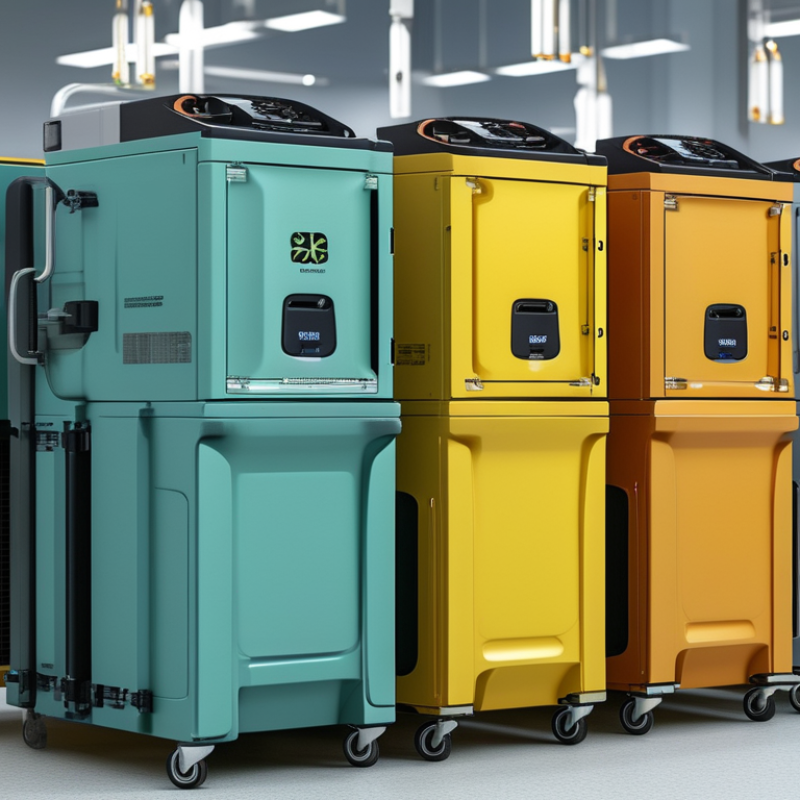
Overview of Medical Waste Sterilizers and Their Importance
Medical waste sterilizers play a crucial role in healthcare. They ensure safe disposal of hazardous materials. Proper sterilization minimizes the risk of infection and environmental harm. Hospitals generate various waste types, which require specific treatment methods. This makes it vital for healthcare facilities to implement reliable sterilization processes.
Tips for choosing the right medical waste sterilizer:
- Consider the volume of waste generated daily.
- Assess the types of waste your facility produces.
- Evaluate the efficiency and speed of the sterilization process.
Maintaining these sterilizers is essential. Regular servicing can prevent failures. However, not all facilities prioritize upkeep. This can lead to inefficiencies and potential health risks. Training staff is equally important. Staff must understand how to operate sterilizers effectively. Neglecting training can result in improper usage.
Finally, remember that innovation in sterilization technology continues. Keeping up with advancements can enhance safety and efficiency. Yet, not every innovation is suitable for every facility. Thoughtful evaluation is necessary before implementation. Taking the time to assess needs can lead to better outcomes.
Key Technologies Used in Medical Waste Sterilization Processes
Medical waste sterilization is crucial in safeguarding public health. Key technologies in this field include autoclaving, microwave treatment, and chemical processes. Autoclaving uses high-pressure steam to eliminate pathogens. This method is widely trusted for its effectiveness. However, operational costs and maintenance can be high, leading to concerns about accessibility.
Microwave treatment is another innovative approach. It employs electromagnetic waves to heat and destroy waste materials. This method is efficient, often reducing waste volume. Yet, it may not be suitable for all types of medical waste. Understanding the limitations is vital for effective waste management.
Chemical sterilization involves using disinfectants to treat waste. While this method can be effective, it raises questions about residual toxins. Finding a balance between effectiveness and safety is essential. Medical facilities must choose technology carefully, considering both reliability and environmental impact. The process requires ongoing evaluation to improve efficiency and safety standards.
2026 Best Medical Waste Sterilizer for Global Buyers
| Sterilization Method | Temperature Range (°C) | Cycle Time (minutes) | Capacity (kg/hour) | Energy Consumption (kWh) |
| Steam Sterilization | 121 - 134 | 30 | 100 | 7 |
| Electron Beam Sterilization | N/A | 5 | 500 | 15 |
| Dry Heat Sterilization | 160 - 180 | 120 | 50 | 10 |
| Chemical Sterilization | N/A | 60 | 200 | 5 |
| Plasma Sterilization | N/A | 75 | 25 | 3 |
Top Features to Look for in a Medical Waste Sterilizer
When selecting a medical waste sterilizer, three key features are essential. First, effectiveness is crucial. A sterilizer should guarantee at least a 99.99% reduction of pathogens. Studies emphasize that inadequate sterilization can lead to infectious disease outbreaks. Yet, many facilities still struggle to meet industry standards.
Next, flexibility in operation matters. Some sterilizers can handle various types of waste. This adaptability saves time and resources. A report from the World Health Organization (WHO) states that approximately 85% of medical waste is non-hazardous. However, properly managing hazardous materials is still a challenge.
Lastly, energy efficiency is vital. Devices that consume less power can significantly lower operational costs. Estimates indicate energy savings of up to 30% with advanced technologies. However, transitioning to these technologies requires careful planning and consideration. Some businesses may resist, creating a gap between potential savings and real-world application.
2026 Best Medical Waste Sterilizer Features Comparison
This chart compares key performance metrics of the best medical waste sterilizers in 2026, including efficiency, cycle time, energy consumption, cost, and footprint. Analyzing these features can help global buyers make informed decisions when selecting a medical waste sterilizer for their needs.
Leading Brands and Models for Medical Waste Sterilization in 2026
In 2026, medical waste sterilizers are crucial for healthcare facilities. They ensure safe disposal of hazardous materials. The market offers various models that stand out for their effectiveness and reliability.
Cutting-edge technologies are emerging. Some devices utilize advanced heat treatment methods. Others incorporate chemical sterilization techniques. These innovations improve efficiency, but challenges remain. The complexity of operation can be daunting for some users. Training and user support are essential for optimal performance.
Buyers should prioritize proven sterilization methods. They must evaluate each model's sterilization capacity and cycle time. The right choice depends on specific waste parameters. Inconsistent waste streams pose difficulties. Continuous evaluation and adaptation are key in this evolving landscape.
Global Market Trends and Buyer Considerations for Medical Waste Sterilizers
When selecting a medical waste sterilizer, global buyers must consider several factors. Market trends show a rising demand for eco-friendly sterilization techniques. Many professionals are prioritizing sustainability. This shift is driving innovation in technologies designed to reduce environmental impact.
Tips for buyers: Assess the energy consumption of sterilizers. Devices with lower energy usage can reduce costs and environmental footprints. Also, investigate the types of waste being processed. Different materials may require specific sterilization methods to ensure effectiveness.
Reliability is key. Look for products with a proven track record. User reviews and case studies can provide insights. The availability of support and maintenance services also matters. Many buyers overlook this aspect, which can cause issues later. Balancing cost with quality is crucial. A cheaper option may not meet long-term needs, leading to regret.





