Choosing the right Fire Retardant Coating in 2026 requires more than comparing prices and glossy product photographs. Global buyers must examine fire performance, substrate compatibility, application conditions, and long-term durability. A coating that protects a steel beam in a dry warehouse may perform differently in a humid coastal plant. Small details matter, including surface preparation, film thickness, curing time, and storage temperature.
This guide introduces practical evaluation methods for international purchasing teams, contractors, and facility owners. It considers technical datasheets, independent laboratory reports, manufacturer experience, and project references. Buyers should verify whether testing reflects the intended steel, concrete, timber, or composite substrate. They should also confirm local approval requirements before placing large orders. Documentation can look impressive.
Real project conditions often expose weaknesses. Poor adhesion, uneven spraying, or trapped moisture may reduce protection, even when the product passed controlled testing. No single coating is ideal for every climate or building type. That point deserves attention. Some manufacturers provide limited aging data, while buyers may overlook maintenance access and repair procedures. A reliable decision therefore combines verified performance with realistic installation planning. This overview will compare key coating technologies, application methods, certification considerations, and supplier reliability. It will also highlight questions that global buyers should ask before accepting samples, approving specifications, or signing long-term supply agreements. The aim is useful guidance, not exaggerated certainty.
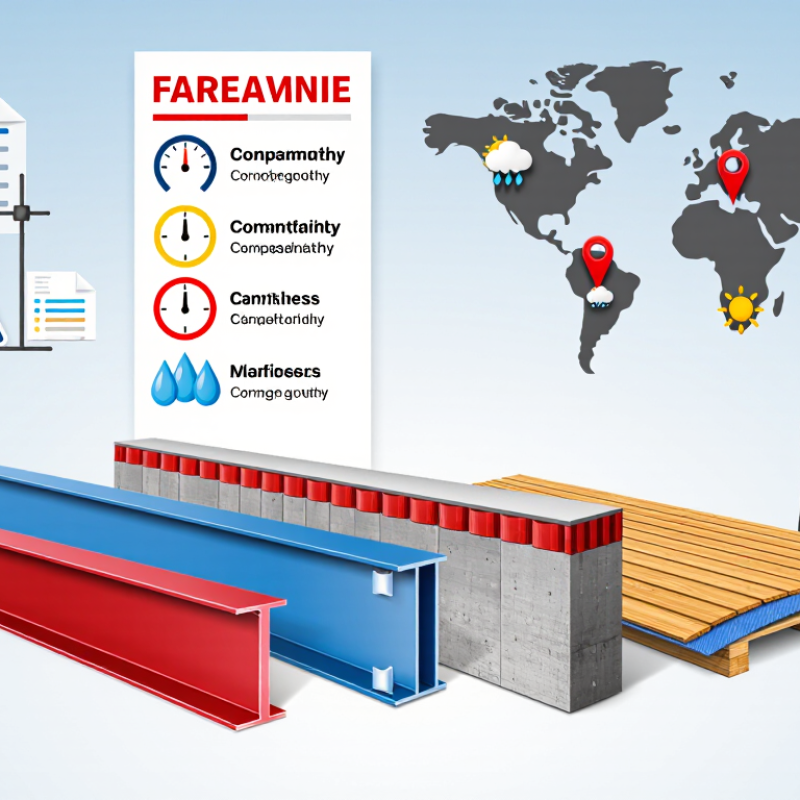
Fire retardant coating is a protective layer applied to steel, wood, concrete, cables, or other building surfaces. It helps slow ignition, flame spread, heat transfer, or smoke development during a fire. The coating does not make a structure fireproof. That distinction matters.
In field inspections, performance often depends on surface preparation, coating thickness, moisture, and application temperature. Intumescent systems expand when heated, forming an insulating carbon layer around structural steel. Other formulations reduce flame spread on wood or protect sensitive equipment from short-term heat exposure. A thin patch can create a weak point. Small defects matter.
The coating’s core safety functions include delaying structural failure, protecting escape routes, and increasing available time for emergency response.
Reliable selection starts with the substrate, expected fire exposure, and required resistance period. Buyers should review independent test reports, technical data, installation records, and maintenance instructions. A certified laboratory result is useful, but it cannot replace proper site inspection.
Thickness should be checked with suitable gauges after curing, not estimated by appearance. Edges, joints, bolts, and repaired areas need extra attention.
In practice, application errors remain common, especially when schedules are tight. That is an uncomfortable fact, but it deserves honest consideration.
Fire retardant coatings delay heat transfer rather than stopping fire permanently. Intumescent systems swell when heated. Their dry film can expand into a porous carbon char, sometimes more than 50 times its original thickness. This char insulates steel, timber, or composite surfaces from rising temperatures. Cementitious coatings behave differently. They release bound moisture and form a thicker mineral barrier. The cooling effect is useful, but it can weaken after prolonged exposure.
The ISO 834 standard fire curve reaches about 576°C after five minutes and 842°C after thirty minutes. These temperatures show why dry-film thickness matters. A coating may look intact while its protected substrate approaches a critical temperature. NFPA’s Fire Loss in the United States During 2023 reported about 1.39 million fires and 3,670 civilian fire deaths. The report does not prove that coatings prevent every loss. It does show the continuing need for passive protection in buildings and industrial assets. NIST fire-resistance research also stresses tested assemblies, not isolated products. That distinction is often missed.
Tips: Confirm the tested substrate, primer, humidity range, and required fire duration. Measure dry-film thickness at several points. One reading is not enough. Avoid assuming thicker always means safer; poor adhesion can create hidden failure. Laboratory curves are controlled, while real fires are uneven, smoky, and sometimes unpredictable. My practical view is cautious: coating selection should follow verified test evidence, qualified application, and site inspection.
Intumescent coatings are widely used when steel structures need fire protection without heavy encasement. They expand into a carbon-rich insulating layer during intense heat. Their slim profile suits warehouses, airports, commercial towers, and exposed structural frames. However, correct dry-film thickness matters. Small application errors can reduce the rated protection period.
Cementitious coatings provide a thicker, mineral-based barrier for steel, concrete, tunnels, and industrial facilities. They tolerate demanding fire conditions and can be practical for large areas. Their rough texture may require extra finishing work. Ablative coatings work differently. They erode under heat and absorb energy through controlled decomposition. These systems can protect cables, ducts, timber, and selected composite materials.
Reactive coatings need careful surface preparation, primer compatibility, humidity control, and inspection records. Non-reactive systems, including mineral boards and fire-resistant renders, may offer more predictable thickness but require stronger mechanical support. Field inspections often find damaged edges around bolts, joints, and penetrations. These areas deserve attention.
No coating fits every project. A global buyer should match the system with the substrate, fire duration, climate, cleaning method, and installation skill. Testing should follow recognized regional standards through qualified laboratories. I would not treat a product datasheet as complete evidence. Real performance also depends on storage, mixing, curing, and maintenance. That part is often underestimated.
The chart compares representative dry film or applied thickness ranges commonly used in tested fire-protection systems. Intumescent coatings are generally thin-film solutions for structural steel, cementitious coatings require thicker applications, ablative coatings are widely used for cables and penetrations, and timber fire-retardant coatings are typically applied as thin-film systems. Actual thickness depends on the substrate, fire-resistance target, exposure conditions, and the relevant test standard.
Thickness ranges are representative industry values in millimetres, not product specifications. Always verify tested performance and application requirements before purchase.

For global buyers, fire-retardant coating evaluation starts with the substrate and exposure scenario. Steel, timber, concrete, and cables require different test methods. A coating that passes a flame-spread test may not protect structural steel for 120 minutes. Define the target first. Ask for dry-film thickness, adhesion results, smoke data, and application temperature limits. Small gaps around bolts can become serious weaknesses.
Independent evidence matters. NFPA’s Fire Loss in the United States During 2022 reported about 1.5 million fires, 3,790 civilian deaths, and nearly 18.1 billion dollars in property damage. These figures make laboratory claims worth checking carefully. Request test reports linked to the exact product formulation, substrate, primer, and thickness.
ASTM E84 or UL 723 can assess surface burning, while ISO 834 and EN 13381-8 address fire resistance for structural elements. They are not interchangeable. That mistake is common.
Certification should include an identifiable certificate number, test laboratory, revision date, and permitted installation range. For marine projects, check the IMO FTP Code. For factory-applied systems, review batch records and independent inspection reports. Measure wet-film and dry-film thickness on site. Keep photographs. It sounds basic. It is often missed. Standards also vary by country, so confirm acceptance with the project authority before purchase. A supplier’s technical sheet may look complete, yet omit repair procedures, weathering limits, or compatibility data. Buyers should challenge those omissions, including their own assumptions.
Global Buyer’s Guide to Selection, Application, and Maintenance
Choosing a fire retardant coating starts with the substrate, not the product label. Steel, timber, concrete, and composite panels require different protection methods. Confirm the required fire rating, temperature range, moisture exposure, and expected service life before purchasing. A coating tested for structural steel may perform poorly on damp timber. That mistake can become expensive.
Request independent test reports, technical data, and application records from qualified suppliers. Check whether the test method matches your project’s location and construction type. Local certification requirements can differ, so buyers should verify documents with a competent inspector. Do not assume that a higher film thickness always provides better protection. Excess material may crack, sag, or cure unevenly.
Surface preparation usually decides the result. Remove oil, dust, rust, and loose layers, then measure surface moisture and temperature. Apply each coat within the stated recoat interval. Use a wet-film gauge during application and a dry-film gauge after curing. Keep batch numbers and site photographs for future inspections. Small details matter.
Maintenance should include visual checks for blistering, impact damage, corrosion, and water entry. High-traffic areas may need earlier repairs. A perfect specification is rare. Recheck it after installation, especially when site conditions differ from the original plan. Thin edges and hidden joints are easy to miss. They deserve attention too.


For those larger-sized parts, or smaller quantity runs, we have 2 independent powder coat booths and ovens. The quality, durability and affordability of today’s powder coating finishes make this the process of choice for world-class companies.
Powder coating advantages over other forms of coating are many. Materials used in the Powder coating process can be metals and non-metals that come in a multitude of thicknesses, textures, colors, etc. Another of Powder coating’s biggest advantages over conventional coatings is its ability to create finishes in many different textures. Powder Coating Booths allow us the ability to apply these advantages to large products.
Tri-State Fabricators runs a full-service conveyor line for painting. Wet painting can provide protection or decoration to many different part styles. From start to finish, every project is easier to undergo random and point-based inspection by our skilled painting team.
Advantages to our Wet Paint Line are these lines start with product prep and ends with a thorough inspection of a high quality finished product. Our ability to complete large and small projects with a superior finish and doing so in a timely and economical fashion. This passes along the savings in production to our customers. When powder coating ins not an option, our Wet Paint Line gets the job done right the first time.
When the parts get big and heavy we roll-out our custom paint racks and oversize booth. By utilizing our partnerships with all the major paint brands, we can match virtually any color with wet paint.
The advantages of having access to a Wet Paint Booth are many. Large projects of many different shapes can be loaded into the booth. The Wet Paint Booth offers an environment that is much more controlled than a typical parts painting operation.
Not only are they used because of their controlled environment, but they’re are also advantageous when it comes to applying paint to parts that are needed in industries that require specialty coatings such as medical, aerospace, etc.
Our military forces have some very high standards when it comes to the finish of their vehicles and equipment. From the first pre-treatment step to final coat, it takes a great deal of knowledge and experience to protect the men and women of our armed forces. They deserve only the best, and Tri-State Fabricators provides it.
All of our processes are closely monitored by our staff and management teams. Both of which are highly trained in the processes of metal fabrication and finishing. Tri-State Fabricators’ goal is to always fully satisfy each and every customer, including the military. We will always put a 110% into what we do.
Abrasive media blasting is an excellent way to remove old paint, rust, and increase the paint/powder adhesion. Glass beads produce a much smoother and brighter finish than angular abrasives; leaving the part clean yet without any dimensional change. Chemically inert and environmentally friendly, we can recycle our beads approximately 30 times; making them a more preferred method of metal cleaning or surface finishing.
Advantages to Glass Bead Blasting are many. Glass bead blast media is used when a project is needing rough surfaces need to become smooth for applications of coatings such as paint. It is typically used to clean paint and rust from a product surface without deforming the surface it is being used on. Overall, compared to many other blasting media, Glass Bead Blasting is a very economical choice and those savings are always passed on to our customers.
Tri-State Fabricators utilize a zinc phosphate wash to clean and etch the material to ensure the best paint adhesion possible. The unique design of our 3-stage wash system does the work like a 5-stage. From Cleaning and rinsing to conversion coating and post-treatment, Our Part Washing process is a complete service and works throughout the fabrication service and the finishing service.
Along with the previously mentioned benefits, Curing is a vital chemical reaction that leaves the product finish hard and relatively safe from mild abrasion and aggressive corrosion. This process can be done in more than one way; ambient air-dry or in curing ovens at temps that exceed 240°.
From fixing paint mistakes (someone else’s of course) to simply cleaning our paint line hooks, our burn-off oven is put to good use. After a quick burn-off, a little clean up, and a fresh coat of paint, your parts will look better than new.
Why does our Burn-Off Oven work so well? Because super heating the air around parts turns the materials into ashes. From paint and powder coatings to rubber and machining oils, high temps do the job without degrading the integrity of the part.
Masking is a vital part of producing high quality products. We have die-cut masking patterns to protect machined surfaces as well as a wide range of plugs and caps to protect threaded holes and bolts. We provide permanent and temporary masking.
Masking allows the selected sections of a product to be protected from a fabrication or finishing service. This can be with both chemicals when etching and tapes, paints when only finishing just a section of the product. Masking is great in aiding the customization process of a project.
Screen printing is a photographic process that transfers artwork onto a porous nylon screen which allows colored ink to flow through the screen and be deposited on an aluminum or plastic component. We can generally have just about any design created onto a screen for your parts.
Some of the advantages of Screen Printing are, brand recognition for your business displaying on your products, assembly instructions, product warnings/hazards, etc. Tri-State Fabricators produces Screen Printing of the highest quality so you know it’s durable.
Metal Finishing is the art of treating the exterior portion of product, often metal but can also be made of other materials, so that the surface is clean and free of any debris. Then the process of applying coats or either paint of powder coat takes place. This coating process improves the quality of the product in both appearance and resistance to wear and corrosion.
Tri-State Fabricators, Inc., understands that a project typically isn’t complete until a high-quality finish has been added to your product. This is why our painting and powder coating teams continuously inspect the products throughout the Metal Finishing process.




