


2026 Best Cutout Electric Fuse Types for Global Buyers?

Selecting the right Cutout Electric Fuse in 2026 requires more than comparing prices and catalog ratings. Global buyers must examine voltage class, current capacity, breaking performance, weather resistance, and compatibility with local distribution equipment. A fuse that performs reliably in a dry test room may behave differently beneath coastal salt, desert dust, or persistent tropical rain. These details matter when protecting transformers, overhead lines, and industrial feeder systems.

This guide introduces the main Cutout Electric Fuse types available to international purchasers. It considers porcelain and polymer housings, expulsion and current-limiting designs, dropout mechanisms, interchangeable fuse links, and options for demanding outdoor installations. Practical selection also depends on installation height, maintenance access, fault levels, and the replacement process. A lower purchase price can become expensive when accessories are difficult to source or fuse links lack consistent quality.

Field experience shows that product labels do not tell the whole story. Manufacturer documentation, verified test reports, traceable materials, and responsive technical support deserve careful attention. Standards may differ between regions, so buyers should confirm requirements with qualified electrical engineers and local authorities. No single type fits every network. That is worth remembering.

Some recommendations remain imperfect because operating conditions vary widely. A specification suitable for a rural feeder may be unsuitable for a crowded urban substation. By comparing performance evidence, lifecycle costs, and supplier reliability, buyers can make a more defensible choice for 2026 projects. Safety must remain the deciding factor, not convenience alone.
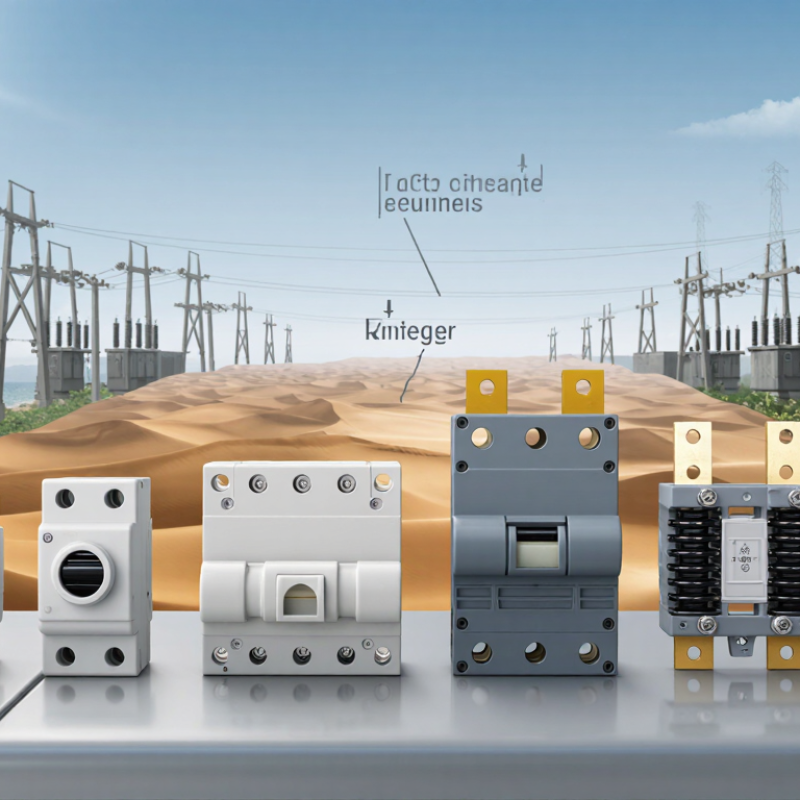
2026 Best Cutout Electric Fuse Types for Global Buyers?

What Is a Cutout Electric Fuse and How Does It Work?

A cutout electric fuse is a pole-mounted protection device for medium-voltage distribution lines. It combines a fuse link, insulated support, and hinged carrier. During normal operation, current passes through the link. When excessive current heats the link beyond its limit, the element melts and opens the circuit.

The carrier then drops, creating a visible isolation point. In expulsion designs, gases produced inside the fuse tube help extinguish the electrical arc. This action protects transformers, conductors, and nearby equipment from prolonged fault energy. IEC 60282-2 and IEEE C37.41 provide important testing and performance references for these devices.

For global buyers, the practical choice usually includes expulsion cutouts, current-limiting fuse cutouts, and polymer or porcelain insulated versions. Expulsion types suit many overhead networks because they are simple, visible, and relatively economical. Current-limiting types reduce fault energy faster, but they may require closer coordination with protection equipment. The International Energy Agency’s Electricity 2024 report expects global electricity demand to grow by about 4% annually through 2026, increasing pressure on dependable distribution protection. A 2024 MarketsandMarkets report also identifies expanding grid infrastructure as a key driver for fuse demand. Still, the “best” type is never universal. Buyers must check voltage, continuous current, short-circuit rating, altitude, pollution level, and fuse-link coordination. A cheaper unit can become expensive after poor field testing.

2026 Best Cutout Electric Fuse Types for Global Buyers? - What Is a Cutout Electric Fuse and How Does It Work?

Fuse Type How It Works Typical Voltage Range Typical Current Range Best-Fit Applications Main Advantages Key Limitations Common Standards to Check
Expulsion-Type Cutout Fuse A fuse link melts during an overcurrent. The resulting arc is expelled and interrupted inside a fiber or polymer fuse tube. Usually 11–36 kV distribution systems Commonly 1–200 A, depending on the fuse link and assembly Overhead distribution transformers, lateral lines, capacitor banks, and rural feeders Simple construction, visible operation, economical maintenance, and easy field replacement Produces exhaust and noise; generally unsuitable for enclosed or highly restricted locations IEC 60282-2, IEEE C37.40 series, and applicable local utility specifications
Dropout Cutout Fuse After the fuse link operates, the hinged fuse carrier drops open, creating a visible isolation point for line crews. Typically 11–36 kV Often 1–200 A continuous rating Outdoor transformer protection and overhead feeder branch protection Clear visual indication of an operated fuse; convenient for outdoor inspection and replacement Does not normally provide load-break capability unless specifically designed and rated for it IEC 60282-2, IEEE C37.40 series, and local requirements for insulation and interrupting ratings
Load-Break Cutout Fuse Uses an arc-control mechanism, such as an interrupter or approved load-break accessory, to open specified load currents safely. Usually 11–36 kV Commonly up to 100–200 A, subject to the product rating Feeder switching, transformer branches, and maintenance isolation on overhead networks Can combine overcurrent protection with limited switching functionality Load-break operation is limited to the stated duty, current, and power-factor conditions IEC 60282-2, IEC 62271-103 where applicable, and IEEE switching requirements
Current-Limiting Fuse Cutout A specially designed fuse element melts rapidly and restricts the prospective fault current before the first major current peak. Typically 2.4–38 kV, depending on the assembly Commonly 6–200 A continuous rating; interrupting ratings may reach tens of kA High-fault-level transformer, motor, capacitor, and compact distribution applications Reduces let-through energy, limits mechanical and thermal damage, and offers high interrupting capability Higher purchase cost; requires accurate coordination with upstream and downstream protection IEC 60282-1, IEC 60282-2, IEEE C37.40 series, and applicable system coordination rules
Transformer Protection Cutout A primary-side fuse link interrupts transformer faults and severe overloads within its time-current operating range. Commonly 11–36 kV primary systems Selected according to transformer kVA, inrush current, and coordination requirements Pole-mounted and pad-mounted distribution transformers Cost-effective transformer fault protection and straightforward visual inspection May not detect every low-level secondary fault; selection must account for magnetizing inrush IEC 60282 series, IEEE C37.91, transformer protection guidelines, and utility specifications
Indoor Enclosed Fuse Switch The fuse is installed inside an enclosure, while a switch or mechanism provides controlled isolation and, when rated, load interruption. Typically 3.6–24 kV Often 200–630 A switch rating; fuse rating depends on the circuit Indoor substations, industrial plants, commercial buildings, and packaged switchgear Improved personnel protection, compact installation, and controlled switching Higher installation cost and more demanding enclosure, interlocking, and maintenance requirements IEC 62271-200, IEC 62271-105, IEC 60282-1, and relevant national electrical codes
Electronic or Sensor-Assisted Cutout A conventional interrupting device is combined with sensing or signaling equipment to provide remote status, fault indication, or monitoring. Commonly 11–36 kV distribution systems Determined by the primary fuse and monitoring system ratings Smart grids, remote substations, automated feeders, and condition-monitoring projects Improves fault-location speed, maintenance planning, and network visibility Requires auxiliary power, communications compatibility, cybersecurity planning, and higher lifecycle cost Applicable fuse standards plus communication, environmental, and utility automation requirements
Selection Checklist for Global Buyers: Confirm system voltage, continuous current, interrupting rating, insulation level, frequency, fault level, fuse time-current curve, transformer inrush compatibility, environmental conditions, installation orientation, load-break capability, and the certification requirements of the destination market.

Which Cutout Fuse Types Are Available for Different Applications?

Which Cutout Fuse Types Are Available for Different Applications?

Cutout fuse selection depends on fault level, transformer size, and maintenance access. Expulsion cutouts remain common on overhead distribution lines. They use an arc-quenching tube and visibly drop open after operation. This helps field crews identify a fault quickly. Dropout versions also provide isolation during inspection. They suit rural feeders, pole-mounted transformers, and lightly industrial networks.

Current-limiting cutouts are different. They reduce peak fault current before it reaches sensitive equipment. Utilities often consider them near compact substations, solar inverters, and high-capacity transformers. Dual-element fuse links can tolerate short motor-starting surges better than fast links. Fast links respond more quickly to severe faults. The choice is not always obvious. A cheaper link may create repeated nuisance operations.

The International Energy Agency’s Electricity 2024 report expects global electricity demand to grow by about 4% annually through 2026. That growth increases pressure on aging distribution assets. Its Grids and Secure Energy Transitions report says annual grid investment must rise above 600 billion dollars by 2030. Therefore, buyers should check voltage class, interrupting rating, coordination curves, insulation material, and local climate exposure. Polymer housings resist moisture well, while porcelain can offer strong mechanical stability. Field conditions still decide. Coastal salt, dust, and wildlife may require designs beyond laboratory assumptions.

How to Compare Fuse Ratings, Materials, and Safety Features?

Choosing the best cutout electric fuse in 2026 requires more than comparing prices. Start with the system voltage, continuous current, fault level, and operating environment. Match the fuse rating to the protected conductor and equipment, not the expected load alone. An oversized fuse may remain closed during dangerous overheating. A lower rating can cause unnecessary interruptions. Check both breaking capacity and time-current characteristics. Small details matter.

Material selection also affects service life. Porcelain offers strong heat resistance and stable insulation in outdoor applications. Polymer bodies can reduce weight and resist impact, but quality varies between formulations. Copper or silver-plated contacts usually provide reliable conductivity and lower contact heating. Inspect plating thickness, spring pressure, and corrosion resistance when reviewing technical documents. I have seen attractive units fail because contact pressure was overlooked.

Safety features deserve practical testing. Look for visible fuse status, secure locking, shrouded live parts, and terminals that prevent loose connections. A washable surface helps in dusty installations, although it cannot replace scheduled inspection. Confirm certified testing, traceable production records, and clear installation instructions. Requirements differ across markets, so verify applicable national standards before ordering. Ask for temperature-rise data at the intended current. No checklist is perfect. Field conditions, installation errors, and incomplete supplier data can still change performance. Photographing the mounting area and recording cable size can prevent an expensive mismatch.

Which Cutout Electric Fuse Fits Different Global Market Standards?

2026 Best Cutout Electric Fuse Types for Global Buyers

Which Cutout Electric Fuse Fits Different Global Market Standards?

Selecting a cutout electric fuse starts with the local network standard, not the product photo. Utility systems may require different voltage classes, current ratings, and breaking capacities. North American projects often follow ANSI and IEEE requirements. Many other markets reference IEC-based specifications. These systems are not automatically interchangeable. Expulsion fuse cutouts suit many overhead distribution lines. They use a replaceable fuse link and provide visible operation after a fault. Current-limiting designs can reduce fault energy, but they may need different equipment coordination. Always verify the fuse link curve, mounting dimensions, and system grounding method.

Environmental conditions also change the correct choice. Coastal air, dust, rain, and high altitude can affect insulation performance. Check creepage distance and tested pollution levels. Ask for type-test reports, routine inspection records, and clear installation instructions. A reliable supplier should explain temperature limits and interrupting ratings without vague promises. Field experience shows that small dimensional differences can delay installation. That lesson is easy to overlook.

Tips: Match the cutout to the utility’s approved list and local standard. Confirm voltage, continuous current, short-circuit rating, and fuse-link compatibility. Check whether the buyer needs a dropout indicator or load-break function. Review samples before ordering large quantities. No selection method is flawless; uncertain specifications deserve a technical review.

2026 Best Cutout Electric Fuse Types for Global Buyers

Representative distribution-voltage classes commonly used when selecting cutout fuse equipment for different market standards.

North American applications commonly use IEEE-based 8.3, 15.5, 27 and 38 kV classes, while IEC-oriented markets frequently specify 12, 17.5, 24 and 36 kV classes. Australia and New Zealand commonly use 12, 15, 22 and 33 kV distribution classes. The correct cutout fuse should match the system voltage, continuous current, interrupting capability, insulation level and the applicable national standard. These values are representative selection references rather than universal market limits.

How to Select the Best Cutout Fuse Supplier in 2026?

Selecting the best cutout fuse supplier in 2026 requires more than comparing catalog prices. Start with the network’s actual conditions: rated voltage, continuous current, fault level, insulation requirements, altitude, pollution, and weather exposure. A supplier should explain these choices clearly, not simply recommend its highest-rated product. Field experience matters here. A fuse that performs well in a dry test room may behave differently beside a coastal substation.

Ask for current type-test and routine-test records based on recognized standards, such as IEC or IEEE requirements used in your market. Check the interrupting rating, time-current curves, contact materials, fuse-link compatibility, and mechanical strength of the cutout assembly. Independent laboratory evidence is more valuable than attractive brochures. Request batch traceability, production dates, inspection records, and samples from normal production. Short sentences matter. Test the details.

Supplier reliability also includes technical support. Confirm response times, spare-part availability, packaging quality, and delivery performance across difficult seasons. A factory audit can reveal practical issues, including inconsistent crimping, poor moisture protection, or unclear calibration records. No checklist is perfect. In one sourcing review, low pricing received too much attention, while replacement-fuse availability was overlooked. That mistake could delay restoration after a fault. Compare at least two production batches, verify local compliance requirements, and use a written specification before signing a supply agreement.

Powder Coat Booths

For those larger-sized parts, or smaller quantity runs, we have 2 independent powder coat booths and ovens. The quality, durability and affordability of today’s powder coating finishes make this the process of choice for world-class companies.

Powder coating advantages over other forms of coating are many. Materials used in the Powder coating process can be metals and non-metals that come in a multitude of thicknesses, textures, colors, etc. Another of Powder coating’s biggest advantages over conventional coatings is its ability to create finishes in many different textures. Powder Coating Booths allow us the ability to apply these advantages to large products.

Wet Paint Line

Tri-State Fabricators runs a full-service conveyor line for painting. Wet painting can provide protection or decoration to many different part styles. From start to finish, every project is easier to undergo random and point-based inspection by our skilled painting team.

Advantages to our Wet Paint Line are these lines start with product prep and ends with a thorough inspection of a high quality finished product. Our ability to complete large and small projects with a superior finish and doing so in a timely and economical fashion. This passes along the savings in production to our customers. When powder coating ins not an option, our Wet Paint Line gets the job done right the first time.

Wet Paint Booths

When the parts get big and heavy we roll-out our custom paint racks and oversize booth. By utilizing our partnerships with all the major paint brands, we can match virtually any color with wet paint.

The advantages of having access to a Wet Paint Booth are many. Large projects of many different shapes can be loaded into the booth. The Wet Paint Booth offers an environment that is much more controlled than a typical parts painting operation.

Not only are they used because of their controlled environment, but they’re are also advantageous when it comes to applying paint to parts that are needed in industries that require specialty coatings such as medical, aerospace, etc.

Military CARC

Our military forces have some very high standards when it comes to the finish of their vehicles and equipment. From the first pre-treatment step to final coat, it takes a great deal of knowledge and experience to protect the men and women of our armed forces. They deserve only the best, and Tri-State Fabricators provides it.

All of our processes are closely monitored by our staff and management teams. Both of which are highly trained in the processes of metal fabrication and finishing. Tri-State Fabricators’ goal is to always fully satisfy each and every customer, including the military. We will always put a 110% into what we do.

Glass-Bead Blasting

Abrasive media blasting is an excellent way to remove old paint, rust, and increase the paint/powder adhesion. Glass beads produce a much smoother and brighter finish than angular abrasives; leaving the part clean yet without any dimensional change. Chemically inert and environmentally friendly, we can recycle our beads approximately 30 times; making them a more preferred method of metal cleaning or surface finishing.

Advantages to Glass Bead Blasting are many. Glass bead blast media is used when a project is needing rough surfaces need to become smooth for applications of coatings such as paint. It is typically used to clean paint and rust from a product surface without deforming the surface it is being used on. Overall, compared to many other blasting media, Glass Bead Blasting is a very economical choice and those savings are always passed on to our customers.

Part Washing

Tri-State Fabricators utilize a zinc phosphate wash to clean and etch the material to ensure the best paint adhesion possible. The unique design of our 3-stage wash system does the work like a 5-stage. From Cleaning and rinsing to conversion coating and post-treatment, Our Part Washing process is a complete service and works throughout the fabrication service and the finishing service.

Along with the previously mentioned benefits, Curing is a vital chemical reaction that leaves the product finish hard and relatively safe from mild abrasion and aggressive corrosion. This process can be done in more than one way; ambient air-dry or in curing ovens at temps that exceed 240°.

Burn-Off Oven

From fixing paint mistakes (someone else’s of course) to simply cleaning our paint line hooks, our burn-off oven is put to good use. After a quick burn-off, a little clean up, and a fresh coat of paint, your parts will look better than new.

Why does our Burn-Off Oven work so well? Because super heating the air around parts turns the materials into ashes. From paint and powder coatings to rubber and machining oils, high temps do the job without degrading the integrity of the part.

Masking

Masking is a vital part of producing high quality products. We have die-cut masking patterns to protect machined surfaces as well as a wide range of plugs and caps to protect threaded holes and bolts. We provide permanent and temporary masking.

Masking allows the selected sections of a product to be protected from a fabrication or finishing service. This can be with both chemicals when etching and tapes, paints when only finishing just a section of the product. Masking is great in aiding the customization process of a project.

Screen Printing

Screen printing is a photographic process that transfers artwork onto a porous nylon screen which allows colored ink to flow through the screen and be deposited on an aluminum or plastic component. We can generally have just about any design created onto a screen for your parts.

Some of the advantages of Screen Printing are, brand recognition for your business displaying on your products, assembly instructions, product warnings/hazards, etc. Tri-State Fabricators produces Screen Printing of the highest quality so you know it’s durable.

Metal Finishing

Metal Finishing is the art of treating the exterior portion of product, often metal but can also be made of other materials, so that the surface is clean and free of any debris. Then the process of applying coats or either paint of powder coat takes place. This coating process improves the quality of the product in both appearance and resistance to wear and corrosion.

Tri-State Fabricators, Inc., understands that a project typically isn’t complete until a high-quality finish has been added to your product. This is why our painting and powder coating teams continuously inspect the products throughout the Metal Finishing process.


