


Choosing the right Box Design Ex Motors in 2026 requires more than comparing power ratings or purchase prices. Global buyers must examine hazardous-area certification, enclosure strength, thermal performance, efficiency, and service support. A motor may look suitable on a specification sheet yet fail when dust, humidity, vibration, or poor ventilation enters the real operating picture.
Dr. Rainer Schmidt, an explosion-protection engineer with long experience in industrial rotating equipment, explains: “Explosion safety depends on the complete system, not the motor nameplate alone.” This principle should guide every purchasing decision. Buyers need to match the motor’s protection concept with the classified zone, gas or dust group, temperature class, voltage, frequency, and driven load. Small details matter. Cable glands, terminal boxes, bearings, and cooling paths can influence reliability as much as the main enclosure.
The best option is rarely the cheapest unit.
This 2026 guide compares Box Design Ex Motors for oil and gas facilities, chemical plants, grain processing lines, mining sites, and other demanding industries. It considers recognized certification, manufacturing consistency, lifecycle cost, delivery capability, and after-sales assistance across different regions. Practical experience also matters. A motor that performs well in a clean European workshop may need different sealing, paint, or heating protection in a humid coastal plant.
There is no perfect universal model. Some buyers may overvalue efficiency and underestimate maintenance access. Others may trust a familiar brand without checking current certification. A careful comparison can expose those weaknesses before installation, while supporting safer, more dependable, and more economical motor selection.
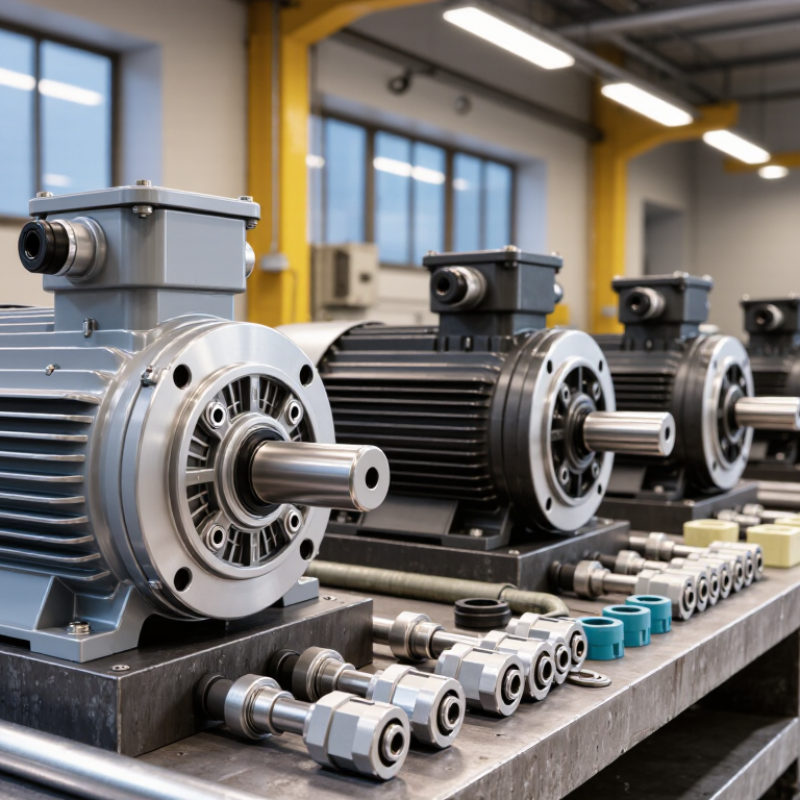
Box design Ex motors are enclosed electric motors engineered for hazardous areas where gas, vapor, or dust may ignite. The “box” is usually a robust protective enclosure, not a complete safety method by itself. Its certification may use flameproof protection, increased safety, or dust protection, depending on the application.
Inside, the motor converts electrical energy into rotation through magnetic fields. The enclosure limits hot surfaces, controls possible internal sparks, and blocks explosive atmospheres from reaching ignition sources. Cable glands, terminal boxes, bearings, and cooling paths matter just as much. One weak detail can undermine the whole design. That is easy to overlook.
IEC 60079-0 and IEC 60079-14 define important requirements for equipment construction, selection, installation, and inspection. The IEA’s World Energy Investment 2024 report estimated global energy investment at more than 3 trillion dollars, with around 2 trillion directed toward clean energy. Conventional and low-carbon facilities still need reliable motors in pumps, compressors, conveyors, and ventilation systems. Market reports also forecast steady growth for explosion-proof motor demand, especially in energy, chemicals, mining, and manufacturing. Figures vary by publisher, so buyers should check the research method and regional scope.
A practical selection starts with the hazardous-area classification, gas or dust group, temperature class, voltage, load profile, and enclosure rating. Do not select by appearance alone. A heavier housing may look safer, but certification details decide suitability. Field experience shows that poor gland installation and neglected inspection cause avoidable failures. The design can be excellent. The installation may still be wrong.

Choosing the right box design Ex motor begins with the hazardous atmosphere, not the motor’s appearance. Gas, vapor, combustible dust, and moisture require different protection methods. Flameproof Ex d motors suit oil processing areas where internal ignition must remain contained. Their strong enclosures often increase weight and maintenance effort.
In grain handling or pharmaceutical production, Ex t dust-protected motors seal ignition sources from combustible dust. Check the dust layer thickness carefully. A dusty floor may hide a serious cooling problem. Increased-safety Ex e motors fit areas with lower ignition risk, such as selected chemical processing zones. They require controlled temperatures, reliable terminals, and careful installation.
Pressurized Ex p motors can serve larger equipment rooms or process systems with challenging gas exposure. They depend on continuous protective gas pressure and monitoring. That dependency is easy to underestimate. Non-sparking Ex ec motors may suit less severe gas zones, especially pumps, fans, and conveyors. However, they are not universal replacements for flameproof designs.
During selection, verify the zone, gas or dust group, temperature class, IP rating, ambient temperature, and operating duty. A motor near a hot pipe may need a different temperature class. Variable-frequency operation also demands checks on insulation, cooling, and bearing currents. Field experience shows that terminal-box access matters during inspections. I once overlooked condensation risk in a humid installation; the enclosure was suitable, but the maintenance plan was not.
When comparing box-design Ex motors, start with safety ratings, not appearance. Check the Ex protection type, gas or dust group, temperature class, and approved hazardous-area zone. These details show where the motor may operate safely. The enclosure rating also matters. A sealed housing should resist dust and moisture, while strong cable entries prevent weak points. In practice, I inspect certificates, markings, and installation instructions together. A familiar-looking enclosure can still hide unsuitable protection.
Power comparisons require more than reading the kilowatt figure. Match rated power with starting load, duty cycle, voltage, frequency, and ambient temperature. Efficiency should be checked at the motor’s usual working load, not only at the best test point. Lower losses reduce heat and operating costs. However, efficiency claims can become misleading when the drive, gearbox, or poor alignment changes real performance. I have seen efficient motors waste energy through incorrect sizing.
Tips: Request test data, certificate copies, noise values, and temperature-rise records. Compare full-load and partial-load efficiency. Check shaft seals, terminal-box gaskets, drain plugs, coating thickness, and corrosion resistance. Ask whether spare parts remain available for years. Do not rely on photographs alone. Site conditions may expose weaknesses. A qualified local engineer should verify the area classification and installation method before purchase.
| Protection / Enclosure Design | Typical IECEx / ATEX Marking | Typical Enclosure Rating | Common Power Range | Efficiency Considerations | Safety and Thermal Features | Suitable Applications | Buyer Verification Points |
|---|---|---|---|---|---|---|---|
| Flameproof enclosure Designed to contain an internal explosion and prevent flame transmission to the surrounding atmosphere. | Ex db or Ex db eb; gas groups and temperature class must match the hazardous-area assessment. | Usually IP55 to IP66, depending on the certified design and installation accessories. | Commonly available from fractional-kilowatt ratings to several hundred kilowatts; exact limits are certificate-specific. | IE3 is widely specified for industrial three-phase motors; IE4 may be available but must be confirmed for the complete certified motor design. | Robust housing, controlled flame paths, certified cable entries, temperature-rise limits, and overload protection are essential. | Oil and gas facilities, refineries, chemical plants, solvent handling, and other gas-risk areas. | Check gas group, temperature class, EPL, certificate number, flame-path requirements, ambient temperature, and repair restrictions. |
| Increased-safety enclosure Uses design and manufacturing controls to prevent arcs, sparks, and excessive temperatures during normal operation. | Ex eb; normally used for Zone 1 or equivalent high-risk gas environments when the complete marking permits it. | Commonly IP54 to IP66; the actual rating depends on the enclosure, terminal box, shaft seals, and cable glands. | Often selected for low- and medium-power equipment; certified ranges vary by frame size and construction. | High-efficiency versions can reduce operating losses, but efficiency must be evaluated together with starting current and thermal limits. | Strict temperature-rise control, reinforced insulation, secure terminals, and certified protection against loose connections. | Pumps, fans, conveyors, mixers, and process machinery in classified gas areas. | Confirm Zone, EPL, gas group, temperature class, starting method, locked-rotor current, and suitability for variable-speed operation. |
| Non-sparking enclosure Designed so that normal operation does not produce ignition-capable arcs, sparks, or hot surfaces. | Ex ec; generally intended for Zone 2 or equivalent lower-probability gas-risk locations. | Typically IP55 to IP66 for industrial installations. | Common across small, medium, and selected large industrial motor sizes, subject to certification. | IE3 is a practical baseline for many continuous-duty applications; actual efficiency depends on load, voltage, frequency, and cooling. | Requires suitable creepage and clearance distances, secure construction, controlled surface temperature, and correct installation. | Ventilation systems, water treatment, packaging, storage, and process areas with occasional gas risk. | Verify that the area is Zone 2, confirm EPL Gc or higher where required, and check whether the motor is approved for inverter supply. |
| Dust-protected enclosure Prevents combustible dust from entering or limits surface temperature so ignition is avoided. | Ex tb, Ex tc, or an equivalent dust-protection marking; the dust group and maximum surface temperature are critical. | Normally IP6X for dust-tight protection; lower IP ratings may be insufficient for certain dust zones. | Available across a broad range, from small motors to large low-voltage industrial units. | Dust accumulation can increase heat retention; select efficiency and cooling capacity using the rated operating conditions, not efficiency alone. | Dust-tight joints, sealed bearings where specified, protected cooling passages, and a documented maximum surface temperature. | Grain handling, flour mills, wood processing, plastics, coal handling, and powder-processing facilities. | Confirm dust zone, dust group, temperature limit, IP rating, external dust-cleaning procedure, and allowable dust-layer thickness. |
| Severe-duty totally enclosed enclosure Sealed construction intended to reduce exposure to water, dirt, chemicals, and corrosive atmospheres. | May be ordinary industrial equipment or combined with a certified Ex protection concept; the IP rating alone does not prove hazardous-area approval. | Often IP65, IP66, or IP67; IP ratings describe ingress protection, not explosion protection. | Commonly used from approximately 0.12 kW to several hundred kilowatts, depending on frame and cooling design. | Compare rated-load efficiency, partial-load performance, cooling-fan losses, and expected annual operating hours. | Corrosion-resistant coating, drain arrangements, sealed terminal box, shaft-sealing options, and thermal sensors improve service reliability. | Outdoor installations, washdown zones, wastewater plants, marine environments, and dusty industrial areas. | Do not treat IP66 or IP67 as an Ex certification; request the hazardous-area certificate separately when required. |
| Inverter-duty Ex motor Certified for operation with a variable-frequency drive under stated voltage, frequency, speed, and cooling limits. | Ex marking varies by protection concept; the certificate or technical schedule must explicitly cover converter operation. | Typically IP55 to IP66, with the final rating determined by the motor and drive-cable installation. | Often selected for pumps and fans from approximately 0.75 kW upward; the certified speed range is model-specific. | Variable-speed control can reduce system energy use, especially for centrifugal pumps and fans, but drive losses and low-speed cooling must be included. | Independent ventilation or separately powered cooling may be required at low speed; bearing currents and dv/dt stress may require mitigation. | Process pumps, compressors, fans, conveyors, and applications requiring adjustable speed or soft starting. | Check approved converter type, switching frequency, cable length, EMC measures, minimum speed, torque curve, and thermal protection. |
| Evaluation Dimension | What to Compare | Practical Acceptance Check |
|---|---|---|
| Hazardous-area safety | Zone, equipment protection level, gas or dust group, temperature class, ambient temperature, and protection concept. | The complete Ex marking and certificate must cover the intended location and operating conditions. |
| Power and performance | Rated power, voltage, frequency, full-load current, starting current, torque, speed, duty cycle, and service factor. | Select using the driven load curve and starting method rather than rated kilowatts alone. |
| Efficiency and lifecycle cost | IEC efficiency class, efficiency at 50%, 75%, and 100% load, annual running hours, energy price, and drive losses. | Use measured or certified efficiency data for the selected voltage, frequency, and operating point. |
| Enclosure quality | IP rating, material, coating system, corrosion resistance, cable glands, terminal-box sealing, bearings, and drain plugs. | Confirm that every accessory preserves the certified enclosure and ingress-protection rating. |
| Standards and documentation | IEC 60034 series, IEC 60079 series, IEC 60529, applicable regional legislation, test reports, manuals, and certificates. | Request the current certificate, marking schedule, dimensional drawing, efficiency data, and installation instructions before purchase. |
Note: The power ranges, IP ratings, efficiency classes, and protection markings shown are typical selection references rather than guarantees for every motor. Final suitability depends on the complete certified configuration, installation method, hazardous-area classification, ambient conditions, and applicable local regulations.
For global buyers, certification is not a decorative label. It determines where an explosion-protected motor may be installed and accepted. IECEx certification supports international projects, but local authorities may still require additional approval. ATEX remains important across the European market. UKCA may apply to equipment entering Great Britain. North American projects often follow NEC or CEC requirements, with certification accepted by the relevant local authority.
Check the complete certificate, not only the motor nameplate. Confirm the hazardous-area classification, gas or dust group, temperature class, equipment protection level, and enclosure rating. Voltage, frequency, ambient temperature, cable entries, and mounting position must also match the site conditions. A motor certified for gas atmospheres may not suit combustible dust. Small differences matter.
In Asia, the Middle East, and other regions, national registration or site-specific approval may be necessary. Ask the supplier for current certificates, test reports, installation instructions, and a traceable production record.
I have seen projects delayed because the certificate covered the motor body but not the selected terminal box or cable gland. That detail is easy to miss. It is also worth checking whether certificates remain valid for the production year.
Standards change, and old assumptions become expensive. No certificate solves every mismatch. A qualified local engineer should review the final selection before purchase.
Selecting a box design Ex motor starts with the hazardous area classification. Check the gas or dust group, temperature class, protection level, and local certification requirements. Match the motor nameplate with the supply voltage, frequency, rated load, duty cycle, and ambient temperature. A slightly oversized motor may waste energy, while an undersized unit can overheat. Check the enclosure rating too, especially where water, dust, or washdown is present. Do not trust appearance alone.
Installation quality affects safety as much as motor design. Use qualified personnel and approved cable glands for the enclosure type. Confirm grounding, terminal tightness, shaft alignment, and coupling clearance before energizing. Keep cooling passages clean and provide enough space around the fan cover. A useful field check is simple: listen during startup, measure vibration, and record current on each phase. Small errors often hide behind a smooth first run.
Maintenance should follow the manufacturer’s instructions and applicable local regulations. Isolate power before opening the terminal box. Inspect seals, fasteners, bearings, cable entries, and paint damage at planned intervals. Test insulation resistance with suitable equipment, then compare results with earlier records. Replace damaged parts with correctly certified components. Some maintenance plans look perfect on paper but fail during busy production weeks. Review them honestly, and adjust inspection intervals when dust, heat, or frequent starts increase the motor’s stress.


For those larger-sized parts, or smaller quantity runs, we have 2 independent powder coat booths and ovens. The quality, durability and affordability of today’s powder coating finishes make this the process of choice for world-class companies.
Powder coating advantages over other forms of coating are many. Materials used in the Powder coating process can be metals and non-metals that come in a multitude of thicknesses, textures, colors, etc. Another of Powder coating’s biggest advantages over conventional coatings is its ability to create finishes in many different textures. Powder Coating Booths allow us the ability to apply these advantages to large products.
Tri-State Fabricators runs a full-service conveyor line for painting. Wet painting can provide protection or decoration to many different part styles. From start to finish, every project is easier to undergo random and point-based inspection by our skilled painting team.
Advantages to our Wet Paint Line are these lines start with product prep and ends with a thorough inspection of a high quality finished product. Our ability to complete large and small projects with a superior finish and doing so in a timely and economical fashion. This passes along the savings in production to our customers. When powder coating ins not an option, our Wet Paint Line gets the job done right the first time.
When the parts get big and heavy we roll-out our custom paint racks and oversize booth. By utilizing our partnerships with all the major paint brands, we can match virtually any color with wet paint.
The advantages of having access to a Wet Paint Booth are many. Large projects of many different shapes can be loaded into the booth. The Wet Paint Booth offers an environment that is much more controlled than a typical parts painting operation.
Not only are they used because of their controlled environment, but they’re are also advantageous when it comes to applying paint to parts that are needed in industries that require specialty coatings such as medical, aerospace, etc.
Our military forces have some very high standards when it comes to the finish of their vehicles and equipment. From the first pre-treatment step to final coat, it takes a great deal of knowledge and experience to protect the men and women of our armed forces. They deserve only the best, and Tri-State Fabricators provides it.
All of our processes are closely monitored by our staff and management teams. Both of which are highly trained in the processes of metal fabrication and finishing. Tri-State Fabricators’ goal is to always fully satisfy each and every customer, including the military. We will always put a 110% into what we do.
Abrasive media blasting is an excellent way to remove old paint, rust, and increase the paint/powder adhesion. Glass beads produce a much smoother and brighter finish than angular abrasives; leaving the part clean yet without any dimensional change. Chemically inert and environmentally friendly, we can recycle our beads approximately 30 times; making them a more preferred method of metal cleaning or surface finishing.
Advantages to Glass Bead Blasting are many. Glass bead blast media is used when a project is needing rough surfaces need to become smooth for applications of coatings such as paint. It is typically used to clean paint and rust from a product surface without deforming the surface it is being used on. Overall, compared to many other blasting media, Glass Bead Blasting is a very economical choice and those savings are always passed on to our customers.
Tri-State Fabricators utilize a zinc phosphate wash to clean and etch the material to ensure the best paint adhesion possible. The unique design of our 3-stage wash system does the work like a 5-stage. From Cleaning and rinsing to conversion coating and post-treatment, Our Part Washing process is a complete service and works throughout the fabrication service and the finishing service.
Along with the previously mentioned benefits, Curing is a vital chemical reaction that leaves the product finish hard and relatively safe from mild abrasion and aggressive corrosion. This process can be done in more than one way; ambient air-dry or in curing ovens at temps that exceed 240°.
From fixing paint mistakes (someone else’s of course) to simply cleaning our paint line hooks, our burn-off oven is put to good use. After a quick burn-off, a little clean up, and a fresh coat of paint, your parts will look better than new.
Why does our Burn-Off Oven work so well? Because super heating the air around parts turns the materials into ashes. From paint and powder coatings to rubber and machining oils, high temps do the job without degrading the integrity of the part.
Masking is a vital part of producing high quality products. We have die-cut masking patterns to protect machined surfaces as well as a wide range of plugs and caps to protect threaded holes and bolts. We provide permanent and temporary masking.
Masking allows the selected sections of a product to be protected from a fabrication or finishing service. This can be with both chemicals when etching and tapes, paints when only finishing just a section of the product. Masking is great in aiding the customization process of a project.
Screen printing is a photographic process that transfers artwork onto a porous nylon screen which allows colored ink to flow through the screen and be deposited on an aluminum or plastic component. We can generally have just about any design created onto a screen for your parts.
Some of the advantages of Screen Printing are, brand recognition for your business displaying on your products, assembly instructions, product warnings/hazards, etc. Tri-State Fabricators produces Screen Printing of the highest quality so you know it’s durable.
Metal Finishing is the art of treating the exterior portion of product, often metal but can also be made of other materials, so that the surface is clean and free of any debris. Then the process of applying coats or either paint of powder coat takes place. This coating process improves the quality of the product in both appearance and resistance to wear and corrosion.
Tri-State Fabricators, Inc., understands that a project typically isn’t complete until a high-quality finish has been added to your product. This is why our painting and powder coating teams continuously inspect the products throughout the Metal Finishing process.

