10 Tips for Choosing the Right Waste Feeding System?
Choosing the right Waste Feeding System is not simply a machinery purchase. It is a decision about flow, safety, maintenance, and long-term operating costs.
Global waste volumes are rising quickly. The World Bank’s What a Waste 2.0 report estimated 2.01 billion tonnes of municipal solid waste in 2016. It projects 3.40 billion tonnes annually by 2050. UNEP’s Global Waste Management Outlook 2024 also warns that waste generation could reach 3.8 billion tonnes by 2050 without stronger prevention and management. These figures make reliable feeding equipment increasingly important.
“Waste is a mirror of our society,” says Antonis Mavropoulos, former president of the International Solid Waste Association. His observation applies directly to system design. Mixed waste may contain wet food scraps, flexible plastics, glass, and heavy objects within one load. Each material behaves differently. Moisture can cause bridging. Oversized items can block hoppers. Uneven feeding can overload conveyors and reduce combustion or sorting efficiency.
The following 10 tips focus on practical selection criteria. They examine feed rate, material density, particle size, hopper geometry, metering accuracy, access for cleaning, and emergency controls. They also consider dust, noise, energy use, spare parts, and supplier support. A reliable system should fit the waste stream, not merely match a catalog specification.
No checklist is perfect. Real waste changes daily. That uncomfortable fact is easy to underestimate. Site trials, historical sampling, and operator feedback can reveal problems that brochures rarely show. Data matters, but practical observation matters too. A carefully selected Waste Feeding System can reduce interruptions, improve workplace safety, and support more consistent plant performance.
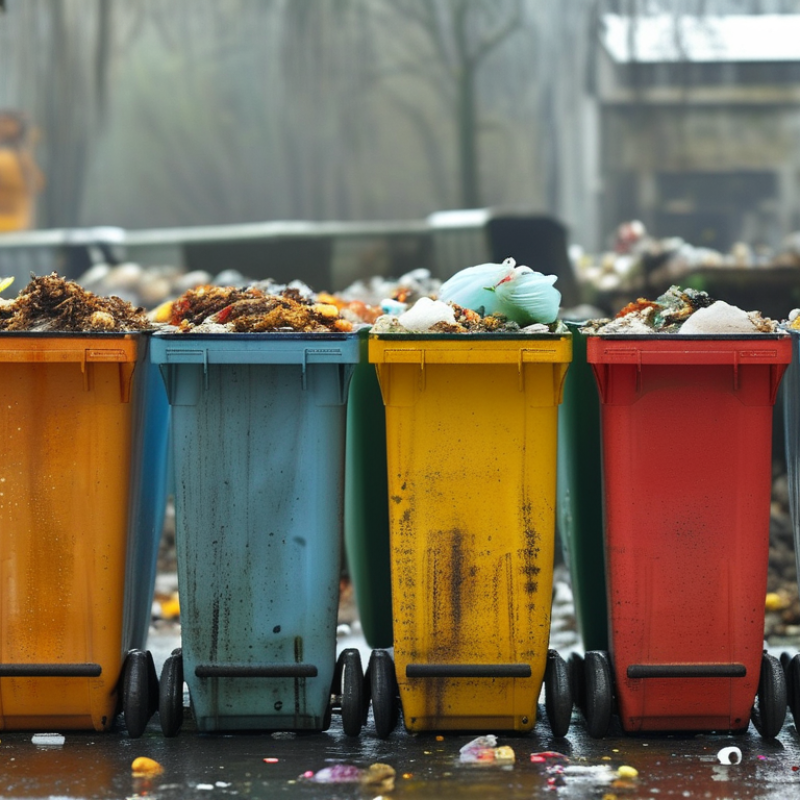
Assess Your Waste Characteristics and Feeding Requirements
Choosing the Right Waste Feeding System: Assess Your Waste Characteristics and Feeding Requirements
A reliable waste feeding system begins with the material, not the machine. Record moisture content, particle size, bulk density, temperature, and chemical behavior. These details affect flow, wear, and cleaning demands. Wet waste may smear inside chutes. Fibrous waste can bridge above the feeder. Fine powders may create dust and uneven dosing.
Measure the required feeding rate under real operating conditions. Include normal, minimum, and peak throughput. A system designed only for average flow may struggle during production changes. Check whether the waste arrives continuously or in irregular batches. Consider storage time too. Material stored overnight may compact, dry, or form hard layers. Small details matter.
I once underestimated the effect of long plastic strips in mixed waste. The feeder performed well during a short test, then stalled after several hours. That experience changed my assessment process. I now inspect representative samples and request extended trials. Use actual waste whenever possible. Ask operators about blockages, noise, spillage, and cleaning time. Their practical knowledge often reveals problems missed by laboratory tests.
Match the feeder’s contact surfaces and drive system to the waste’s abrasiveness and density. Confirm that access points allow safe inspection and simple maintenance. Review feeding accuracy, energy use, noise levels, and available space. Do not rely only on supplier calculations. Recheck assumptions after installation. Waste changes with seasons, suppliers, and production methods. A flexible design is usually more dependable than a perfect design for one narrow condition.
Evaluate Capacity, Compatibility, Safety, and Regulatory Needs
10 Tips for Choosing the Right Waste Feeding System
A suitable waste feeding system should match the material, site, and operating schedule. Start by measuring daily volume, peak loads, and the weight of each batch. A system that handles average capacity may fail during seasonal surges. Leave practical room for expansion. I have seen undersized hoppers create delays, spills, and unnecessary manual handling.
Tip 1: Check capacity carefully.
Review hopper volume, feeding speed, motor duty, and loading frequency. Confirm that the system can manage wet, dry, bulky, or variable waste without bridging. Ask for test data using material similar to yours. Specifications alone can be misleading.
Tip 2: Verify compatibility before purchase.
Contact surfaces should resist corrosion and withstand cleaning chemicals. The feeder must also fit existing conveyors, controls, power supplies, and floor space. Safety guards, emergency stops, access doors, and dust controls require close inspection. Small design conflicts can become expensive changes.
Tip 3: Treat compliance as a design requirement.
Check local rules for workplace safety, electrical systems, emissions, noise, waste handling, and machinery inspections. Keep risk assessments, maintenance records, training documents, and supplier declarations available. Requirements differ by location and waste type. A reliable review should involve qualified engineers and compliance professionals. Still, paperwork does not prove safe operation. Observe the equipment under real conditions, because actual behavior may expose problems that drawings miss.
Review Installation, Maintenance, Automation, and Energy Demands
Choosing the right waste feeding system requires more than comparing purchase prices. The equipment must fit your waste type, building layout, staffing, and operating schedule. In practice, small installation mistakes can create daily blockages.
Tip 1: Measure doorways, pipe routes, and service clearances before ordering. Tip 2: Check whether the feeder handles wet, oily, fibrous, or abrasive waste. Tip 3: Request installation drawings with electrical and drainage points. Tip 4: Choose corrosion-resistant contact parts for damp environments. Tip 5: Leave room around motors, hoppers, and control panels. Space matters.
Maintenance should be simple enough for busy operators to follow consistently. Tip 6: Inspect cutting edges, seals, bearings, and sensors on a written schedule. Tip 7: Select parts that can be removed without dismantling half the system. Tip 8: Confirm that cleaning procedures match your hygiene and wastewater requirements. Tip 9: Ask for fault records, training, and realistic service intervals. I have seen systems fail because maintenance instructions were too vague. That weakness is easy to overlook.
Automation can reduce labor, but it should not hide developing problems. Tip 10: Use level sensors, overload protection, alarms, and manual controls together. Review energy demand during peak and idle periods. A smaller motor is not always more efficient if it struggles under load. Compare start-up power, standby consumption, and duty cycles. Test the system with real waste samples when possible. Specifications alone can mislead. Allow operators to report unusual noise, heat, or vibration, because those observations often reveal problems before a shutdown.
Calculate Total Cost and Select the Best-Fit System
10 Tips for Choosing the Right Waste Feeding System
Calculate Total Cost and Select the Best-Fit System
Food waste volumes are growing, but buying the largest system is rarely sensible. The UNEP Food Waste Index Report 2024 estimates that 1.05 billion tonnes of food were wasted in 2022. Households generated 60% of that waste. Your site may need flexibility, not maximum capacity.
Calculate total cost across ten years. Include purchase, installation, civil work, electricity, water, labor, cleaning, maintenance, replacement parts, and residue disposal. The U.S. EPA reports that food waste represents 24% of municipal solid waste sent to landfills. This makes diversion valuable, but savings depend on local hauling and treatment fees. Ask suppliers for measured energy use, not optimistic estimates.
Use real operating details. A kitchen handling two tonnes daily needs a system that accepts wet scraps, packaging contamination, and peak-hour surges. Check feeding speed, hopper size, washdown time, noise, and access for maintenance. Small details matter. A blocked inlet can stop an entire shift.
My first cost spreadsheet would have missed downtime. That mistake is common. Add a contingency allowance and test seasonal volumes before selecting equipment. Request references from similar facilities, review service records, and compare cost per processed tonne rather than purchase price alone. Industry experience is useful, but verified operating data is safer.
10 Tips for Choosing the Right Waste Feeding System
Calculate total cost and select the best-fit system
Planning comparison: The chart shows estimated annual cost by system type using a transparent calculation: 10-year equipment life, 8% annual discount rate, 2,000 operating hours per year, and electricity at $0.12 per kWh. Annualized capital cost uses a 14.9% capital-recovery factor. Replace these assumptions with site-specific quotations, labor rates, maintenance records, and energy tariffs before making a final selection.
- Define waste type, moisture, particle size, and bulk density.
- Confirm required throughput and peak feeding rate.
- Measure conveying distance, elevation, and routing constraints.
- Check compatibility with downstream equipment.
- Evaluate energy consumption at the expected duty cycle.
- Include installation, controls, foundations, and commissioning costs.
- Estimate preventive maintenance, wear parts, and downtime risk.
- Review dust control, hygiene, safety, and regulatory requirements.
- Compare supplier support, spare-parts availability, and training needs.
- Calculate total cost of ownership rather than comparing purchase price alone.





