10 Best Industrial Nylon Cable Fixing Glands to Buy
Industrial cable systems rarely fail because the cable is visible. Trouble often begins at the entry point, where vibration, moisture, dust, and poor tightening meet. An Industrial Nylon Cable Fixing Gland helps secure the cable, protect insulation, and maintain enclosure integrity. Its value depends on more than a low purchase price. Thread compatibility, sealing range, IP rating, temperature resistance, UV exposure, and installation quality all matter.
Recent cable-gland market reviews from MarketsandMarkets and Research and Markets describe steady demand from manufacturing, automation, renewable energy, and infrastructure projects. Their findings also reflect a practical shift toward lighter, corrosion-resistant polymer components. However, nylon is not automatically suitable for every environment. High heat, aggressive chemicals, outdoor exposure, and heavy mechanical stress may require another material. That limitation deserves attention.
Cable-gland specialist Chris Lloyd has expressed the principle clearly: “A gland is only effective when the complete assembly is correctly selected and installed.” That advice guides this list. The ten products will be compared against practical requirements, including cable diameter range, locking strength, sealing performance, thread design, and field usability. IEC 62444 provides a useful reference for cable-gland construction and testing, while enclosure protection should be checked against the relevant IP requirements.
This is not a perfect ranking. Product availability changes, and manufacturer specifications are not always presented consistently. Installation errors can also defeat a well-designed gland. Still, the comparison offers a realistic starting point for electricians, maintenance teams, panel builders, and procurement managers choosing an Industrial Nylon Cable Fixing Gland for demanding applications.
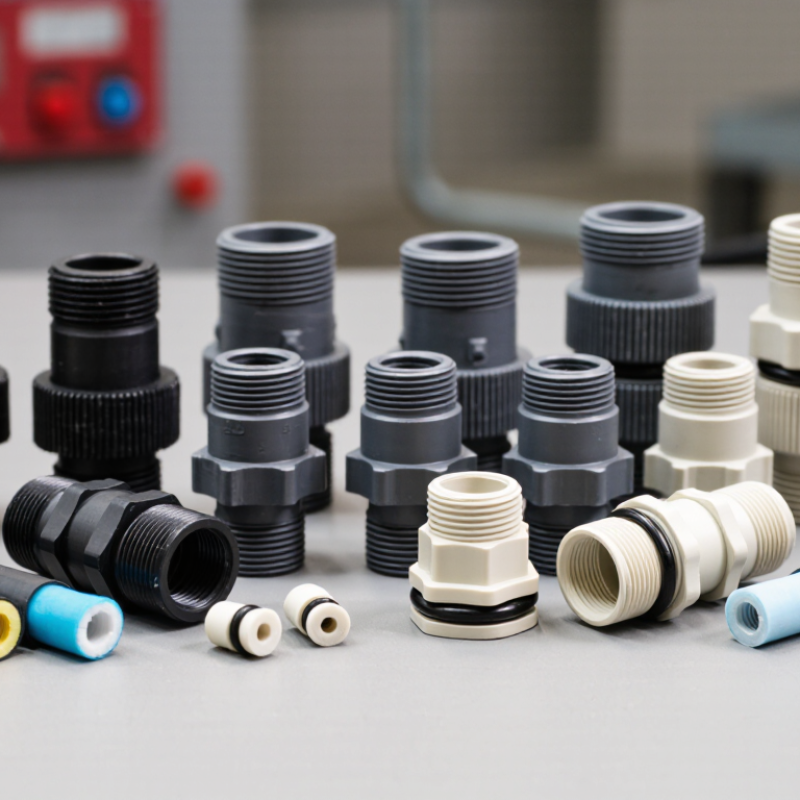
What Are Industrial Nylon Cable Fixing Glands and How Do They Work?
Industrial nylon cable fixing glands secure cables where they enter control boxes, junction enclosures, and outdoor equipment. They provide strain relief, helping prevent cable movement from pulling on terminals. Their nylon body resists corrosion, moisture, and many common chemicals. This makes them useful in factories, workshops, and exposed service areas.
A typical gland includes a threaded body, locknut, sealing ring, and clamping element. The cable passes through the gland before the locknut is tightened. As pressure increases, the sealing ring grips the cable jacket and closes the entry point. The result is a firmer connection and better protection from dust or water. The exact protection level depends on the gland design, cable diameter, enclosure, and installation quality. I have seen a gland appear tight but still leak because the cable size was slightly wrong. Small errors matter.
Tips: Measure the cable’s outer diameter, not only its conductor size. Choose a gland with a suitable thread and sealing range. Keep the sealing surface clean and free from cuts. Tighten it firmly, but avoid crushing the cable jacket. Check the manufacturer’s torque guidance when available. A nylon gland is not automatically suitable for high heat, heavy vibration, or severe chemical exposure. Review those conditions carefully before choosing one.
10 Best Industrial Nylon Cable Fixing Glands to Buy
Industrial nylon cable fixing glands secure cables at enclosure entries while helping provide strain relief, dust protection, and moisture resistance. The chart compares representative maximum cable diameters for commonly used metric nylon gland sizes. Actual specifications may vary by design and manufacturer.
When selecting a gland, match the cable diameter to the gland’s clamping range and verify the required thread type, ingress-protection rating, operating temperature, and enclosure material.
Which Features Define a Reliable Nylon Cable Fixing Gland?
A reliable nylon cable fixing gland begins with material quality, not attractive packaging. Glass-reinforced nylon should resist cracking, moisture, oils, and moderate impact. Look for stable performance across the stated temperature range. Cheap plastic can harden near heat sources. It may also deform during tightening. That matters.
The sealing system deserves close attention. A flexible gasket should grip the cable evenly without cutting its jacket. The gland should provide dependable strain relief, so cable movement does not reach internal terminals. Check the declared ingress protection rating, thread type, cable diameter range, and panel thickness. These details must match the enclosure. A perfect seal needs accurate sizing.
Installation experience often reveals weaknesses that datasheets miss. I use a calibrated torque tool when possible, then inspect the gasket for twisting. I also pull the cable firmly by hand. It should remain secure. For outdoor equipment, confirm resistance to ultraviolet exposure and repeated temperature changes. Test records and clear technical documents strengthen trust. However, ratings can be misunderstood when installers ignore thread tolerances or damaged enclosure holes. I once treated a minor gasket wrinkle as harmless. It later created a possible moisture path. That mistake changed my inspection routine. A reliable gland is not merely nylon and a locknut; it is a tested fit between cable, panel, seal, and installation method.
How to Compare the 10 Best Industrial Nylon Cable Fixing Glands
10 Best Industrial Nylon Cable Fixing Glands to Buy
How to Compare the 10 Best Industrial Nylon Cable Fixing Glands
Comparing nylon cable fixing glands requires more than checking thread size and price. Start with the enclosure rating. IEC 62444 provides a recognized framework for cable gland performance, including mechanical strength and sealing. Check whether each gland supports the required IP rating, cable diameter range, and locknut compatibility. A gland that fits loosely may admit dust or moisture, even when its packaging looks convincing.
Material data matters in demanding installations. Nylon 6 or nylon 66 can offer good impact resistance, light weight, and corrosion protection. However, temperature limits vary between formulations. Compare continuous operating temperatures, flame behavior, UV resistance, and tensile performance. A 2024 Grand View Research report projects the global cable management market to expand at about 7% annually through 2030. This growth reflects rising demand for organized, protected wiring in industrial equipment. It does not mean every gland performs equally.
Tips: Build a comparison table. Record thread type, clamping range, IP rating, temperature range, and test evidence. Ask for test reports, not vague claims. I sometimes overlook installation space, especially around crowded control cabinets. That mistake can force a larger gland or awkward cable bending. Check the wrench clearance before purchasing. Also inspect the sealing ring by hand; brittle or uneven edges deserve questions. Reliable selection depends on traceable specifications and practical installation experience.
Where Each Recommended Cable Gland Performs Best
10 Best Industrial Nylon Cable Fixing Glands to Buy
The best nylon cable gland depends on the working environment, not appearance. Straight compression glands suit control cabinets and machine panels with limited vibration. Right-angle glands perform better in crowded enclosures, where cables must turn sharply without stressing the entry point. Multi-hole glands keep several small sensor cables organized, while flat-cable glands fit doors, solar equipment, and compact distribution boxes.
Outdoor installations need UV-stabilized nylon. Look for glands tested against moisture and dust, with an appropriate IP rating under IEC 60529. Spiral strain-relief glands work well on portable tools and moving machinery. Breathing glands help reduce condensation inside sealed enclosures, though they are often overlooked. For corrosive, humid areas, reinforced nylon can offer a lighter alternative to metal. It is not automatically the strongest choice.
A 2024 Grand View Research report estimated the global cable management market at more than 23 billion US dollars in 2023, with continued growth expected through 2030. This supports careful selection, not impulse buying. IEC 62444 provides useful requirements for cable glands, including mechanical performance and sealing behavior. High-temperature nylon glands belong near motors and control equipment, while fire-performance versions suit demanding industrial panels. Reducer glands help match oversized entries, but they can weaken sealing if poorly fitted. Fit matters more. I have seen failures caused by incorrect thread size, not defective material. Verify cable diameter, thread standard, torque, temperature, and installation space before purchasing.
How to Choose the Right Nylon Cable Fixing Gland for Your Project
Choosing the right nylon cable fixing gland starts with the cable, not the gland price. Check the cable’s outer diameter, construction, bend radius, and installation space. A loose entry can admit moisture, while excessive compression may damage insulation. IEC 62444 provides testing guidance for cable glands, including mechanical strength and sealing performance.
Match the protection rating to the real environment. IEC 60529 defines IP66 as dust-tight protection against powerful water jets. IP68 requires a manufacturer-stated immersion depth and duration. These details matter near washdown lines, outdoor control cabinets, and chemical processing areas. For hot machinery, compare the gland’s working temperature with measured cabinet temperatures. Allow a safety margin.
Deloitte’s 2024 Smart Manufacturing and Operations Survey reported that 92% of manufacturers consider smart manufacturing important to competitiveness. More sensors mean more cable entries, and more entry points create more sealing risks. Select glands with strain relief, suitable thread types, and compatible locknuts. Nylon is lightweight and corrosion-resistant, but it may not suit high-impact zones. I once focused too heavily on IP rating and overlooked thread engagement. That mistake changed my checklist.
Measure twice. Then test one installed assembly before ordering the full set.





